After the funeral
After the funeral
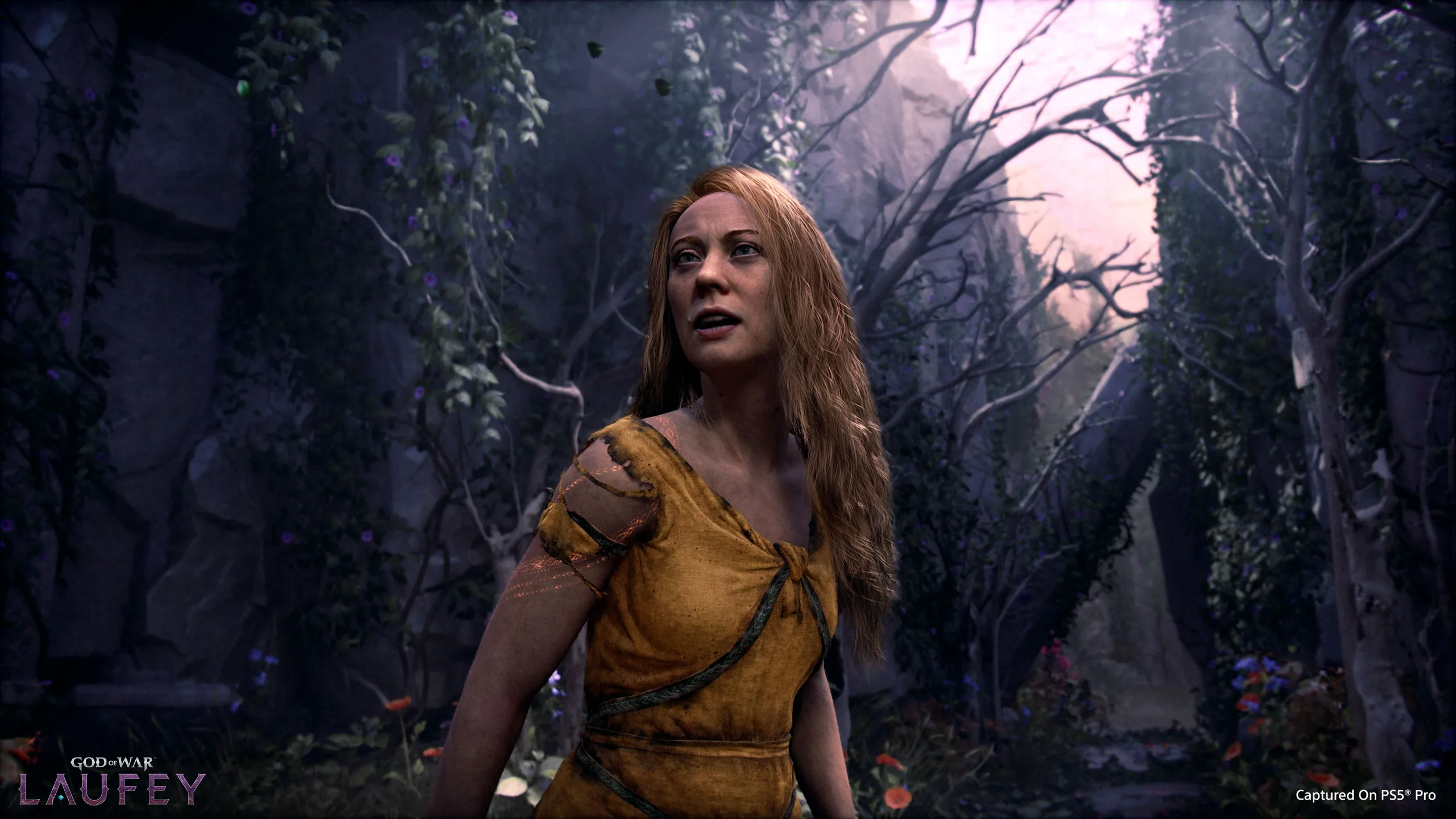
This is not a childhood flashback. The story starts after Laufey dies.
God of War Laufey begins after Faye's funeral. See where the Everywhen fits in the timeline, why Kratos and Atreus matter, and what happens next.
Updated:
Start the story
See where the Everywhen fits in the timeline and why Kratos and Atreus matter to Faye’s journey.
This is not a childhood flashback. The story starts after Laufey dies.
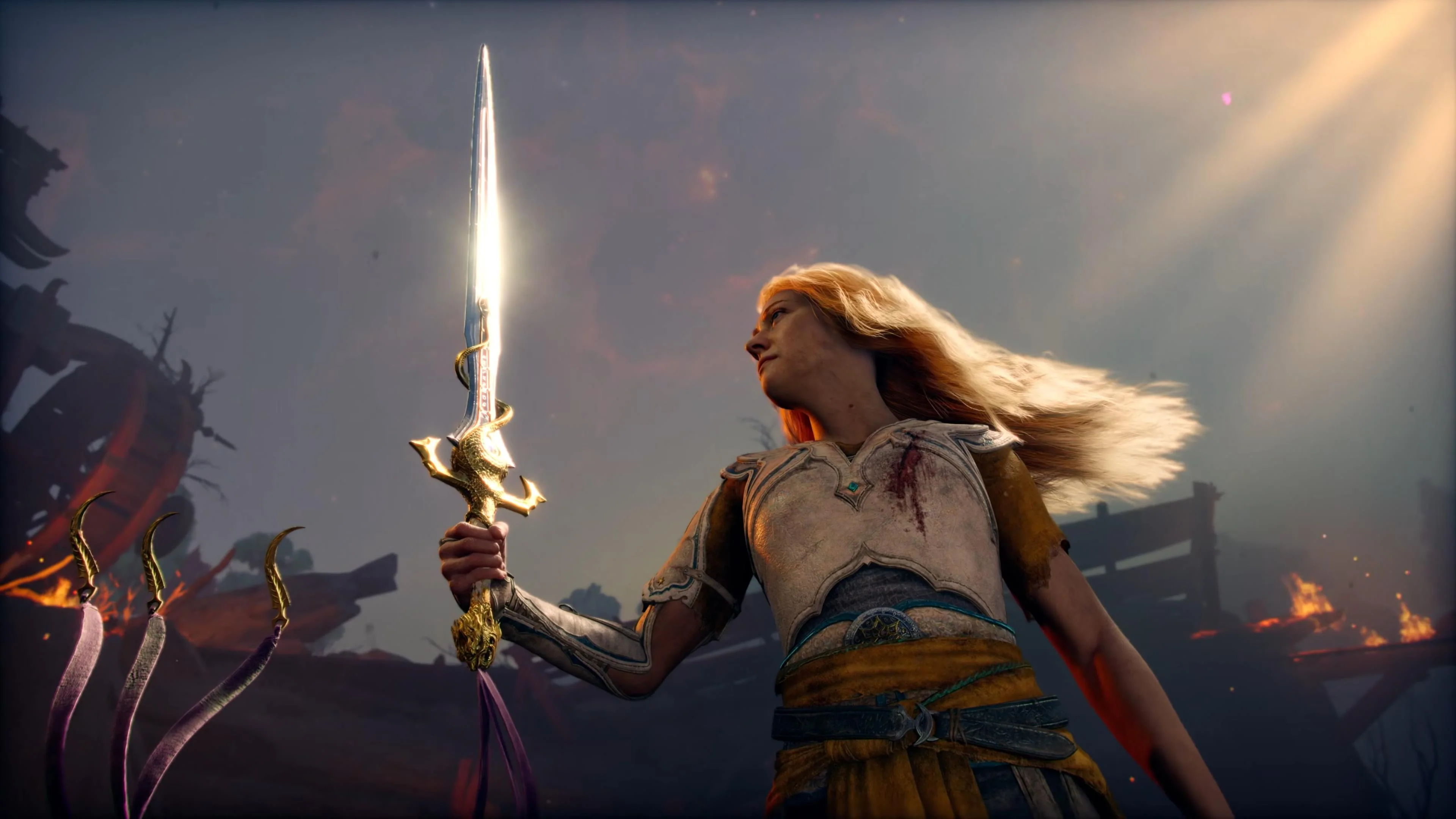
The afterlife of the gods changes the rules, the danger, and the scale of the mystery.
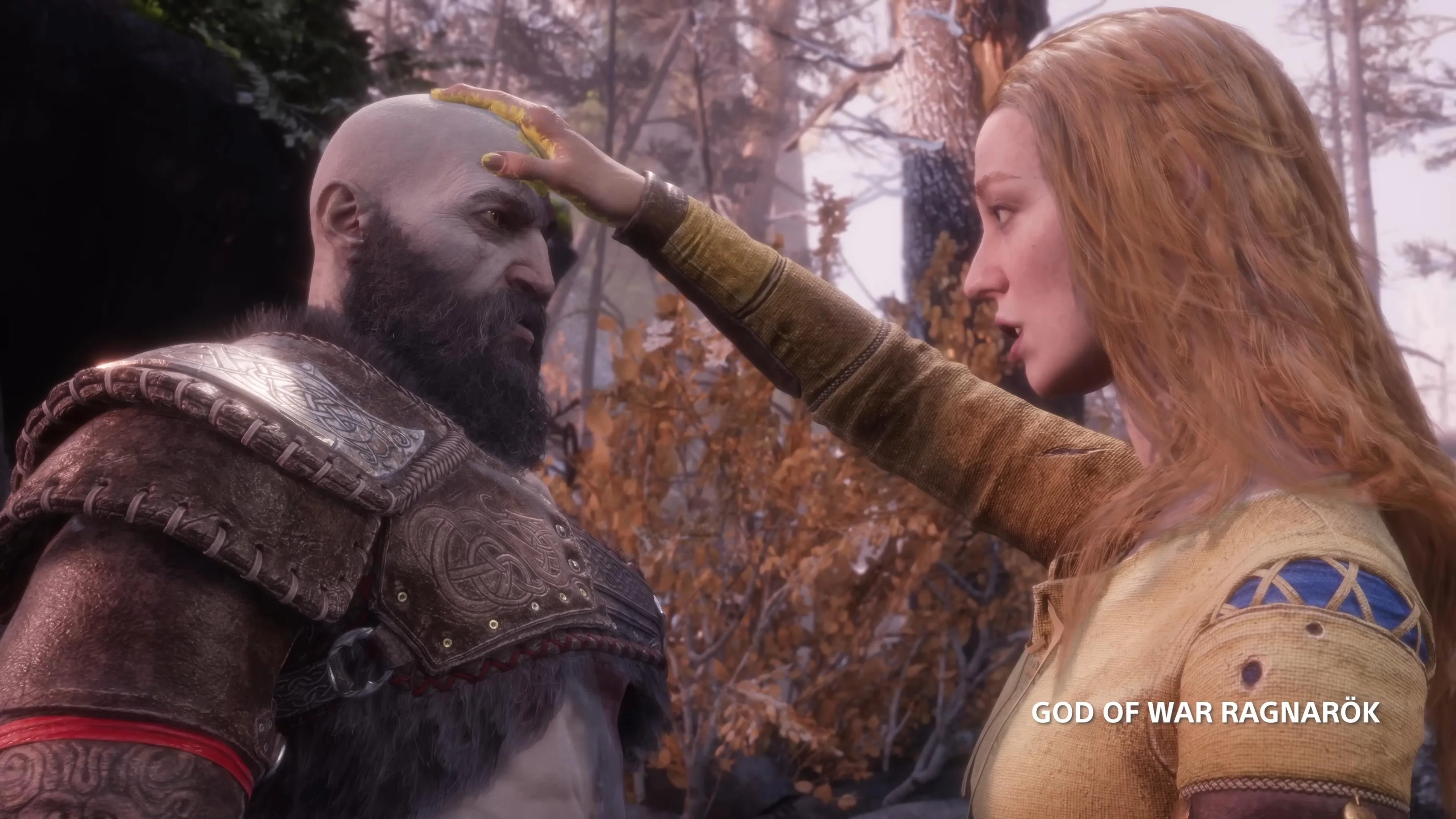
Kratos and Atreus matter because the future Laufey planned for them is in danger.
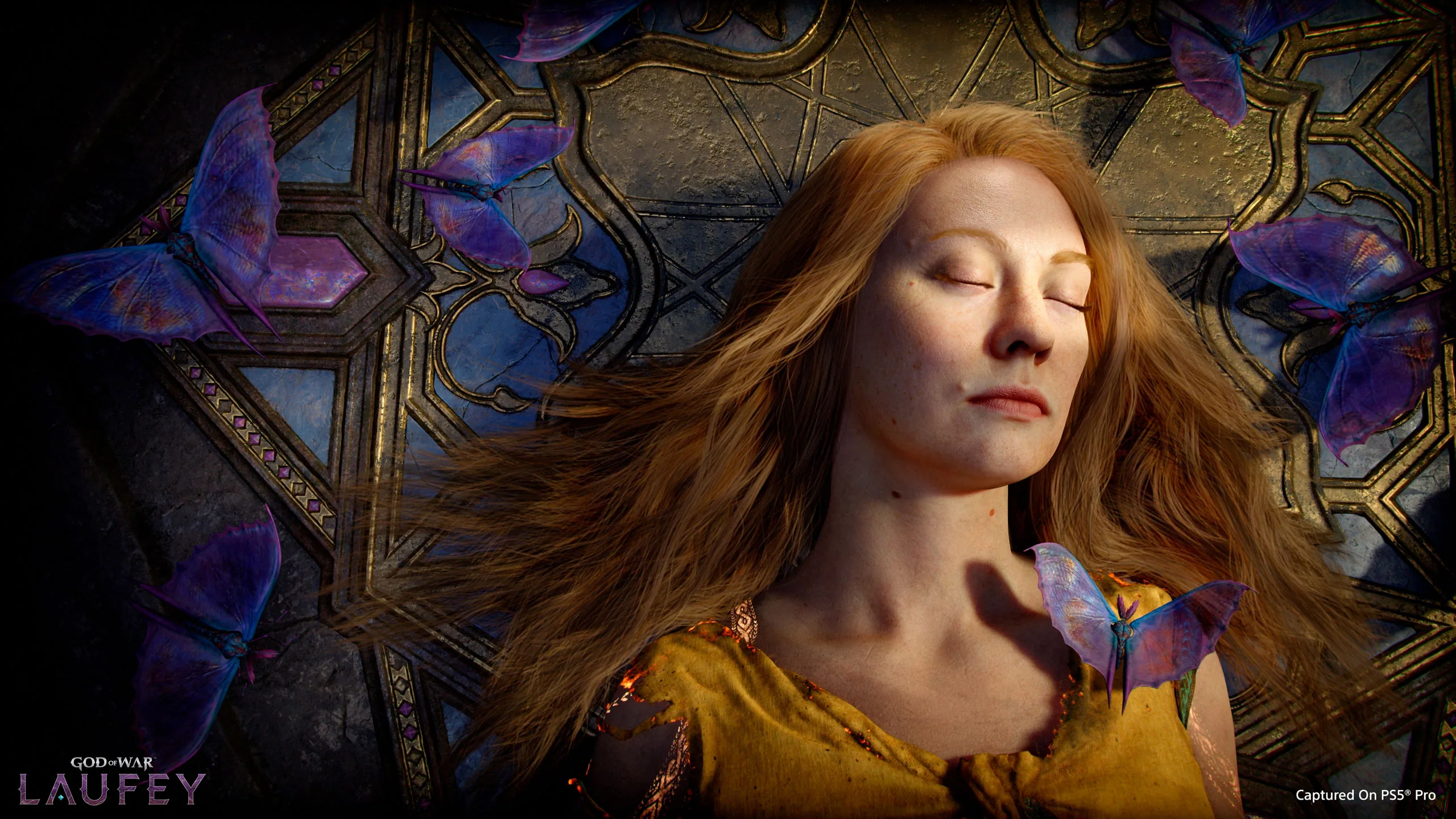
Is it a prequel, when does it happen, do Kratos and Atreus show up, and can you follow it without replaying everything first?
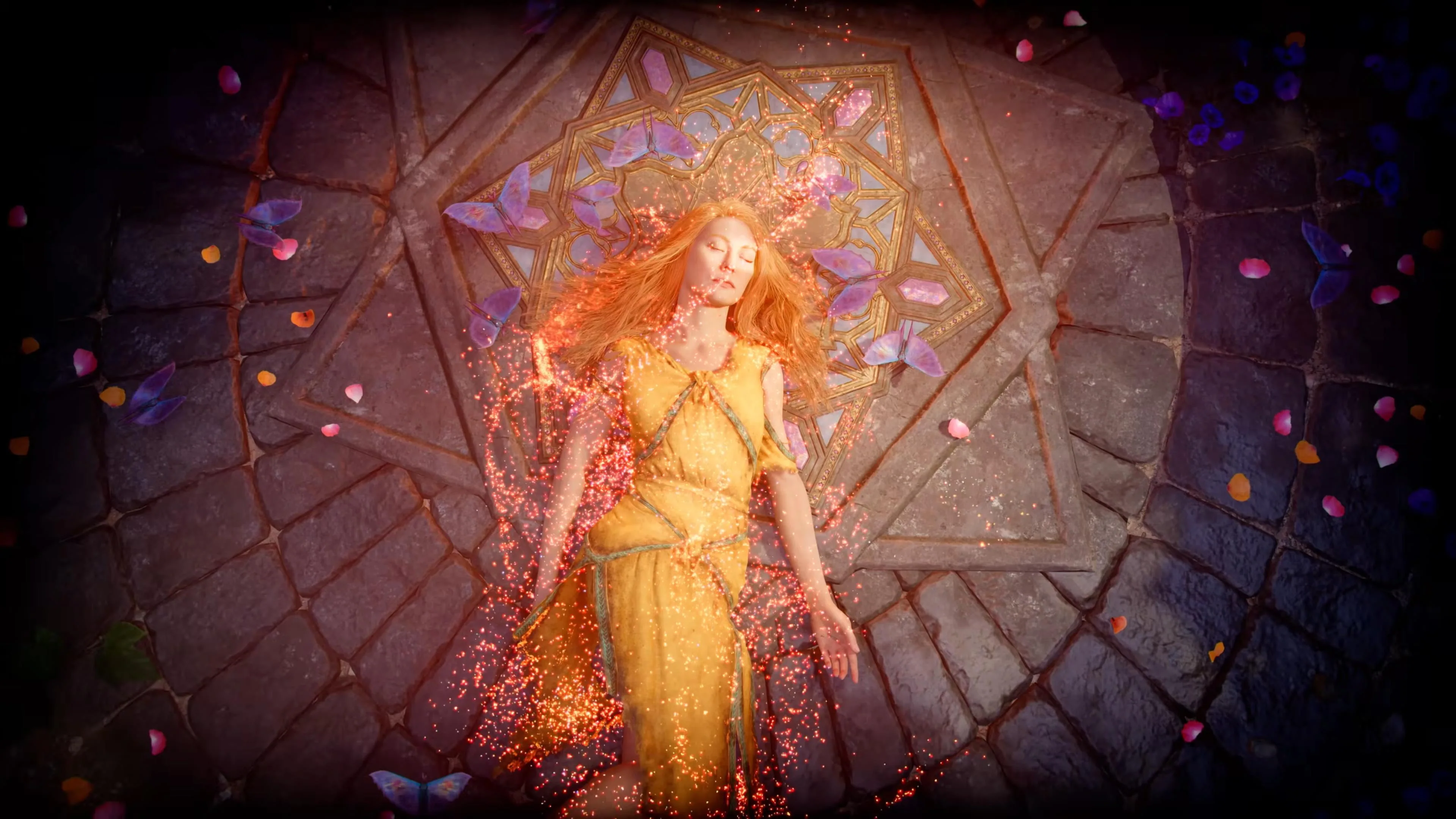
It is not just a backdrop. The Everywhen is the reason the story can open into gods, afterlife rules, and bigger mythology threads.
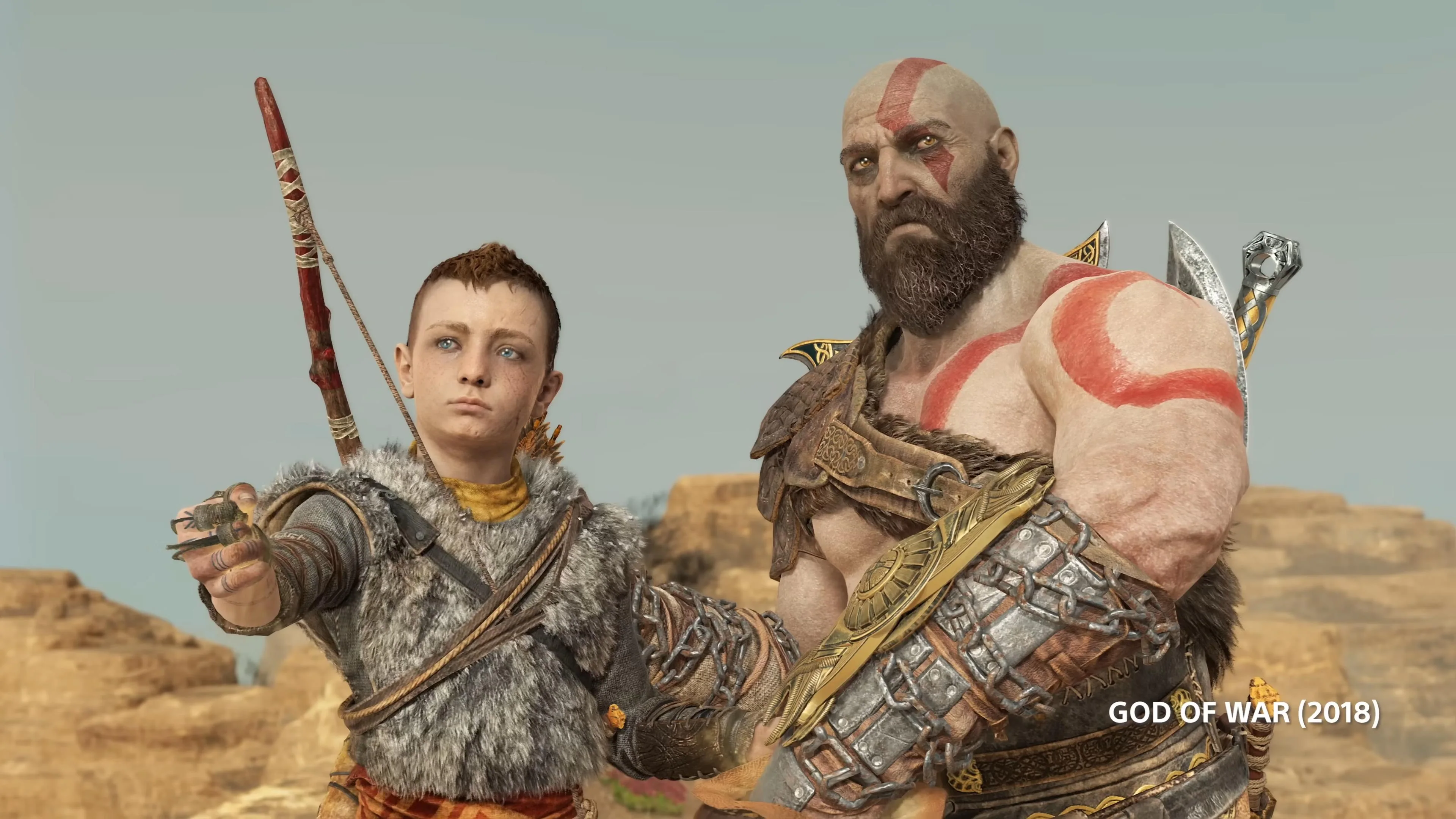
See where Greek history, the Norse games, Ragnarok, Valhalla, and Laufey line up without wading through a full lore dump.
Laufey is fighting for more than survival. The story turns on what she set in motion for her family before she died.
More to explore
Pick a topic for the full story, guide, or breakdown.
Learn what happens after Faye's funeral as Laufey wakes in the Everywhen and fights to protect the future she planned for Kratos and Atreus.
Find out whether God of War Sons of Sparta is required before Laufey and what its Greek-era story adds to Kratos' family background.
See how God of War Ragnarok raises the stakes around prophecy, Atreus' Jotnar identity, and the family future Laufey is trying to protect.
Find out whether God of War Laufey is a prequel, sequel, spin-off, or parallel continuation, based on the official post-funeral setup.
Follow a spoiler-aware God of War Laufey timeline connecting Faye's funeral, God of War 2018, Ragnarok, Valhalla, and the Everywhen story.
Learn what the Greek God of War saga adds to Kratos' history before Laufey, what it does not explain, and where new players should start.
Learn how God of War Ragnarok: Valhalla changes Kratos before Laufey, what emotional context it adds, and why it is not required setup.
Discover exactly where God of War Laufey begins, how Faye's funeral leads into the Everywhen, and which earlier games provide useful context.
Timeline
The timeline makes the starting point clear: this story opens after Laufey's funeral, while the older games stay in the background as context.
The older Greek games explain Kratos, his guilt, and why his past still matters, but they do not directly tell Laufey's new story.
This separate Greek-era story adds Kratos background and family trauma, but it is still background context rather than direct Laufey setup.
Kratos and Atreus honor Laufey's final wish by carrying her ashes to Jotunheim. That funeral is the key living-world starting point for the new game.
Ragnarok expands prophecy, Odin's pressure, Atreus' role, and the long shadow of Laufey's plans across the family.
Valhalla works as post-Ragnarok Kratos context. It sharpens where he stands emotionally, but no direct Everywhen bridge is confirmed.
The new game starts after death, follows Laufey in the Everywhen, and turns her fight to protect Kratos and Atreus into the main story drive.
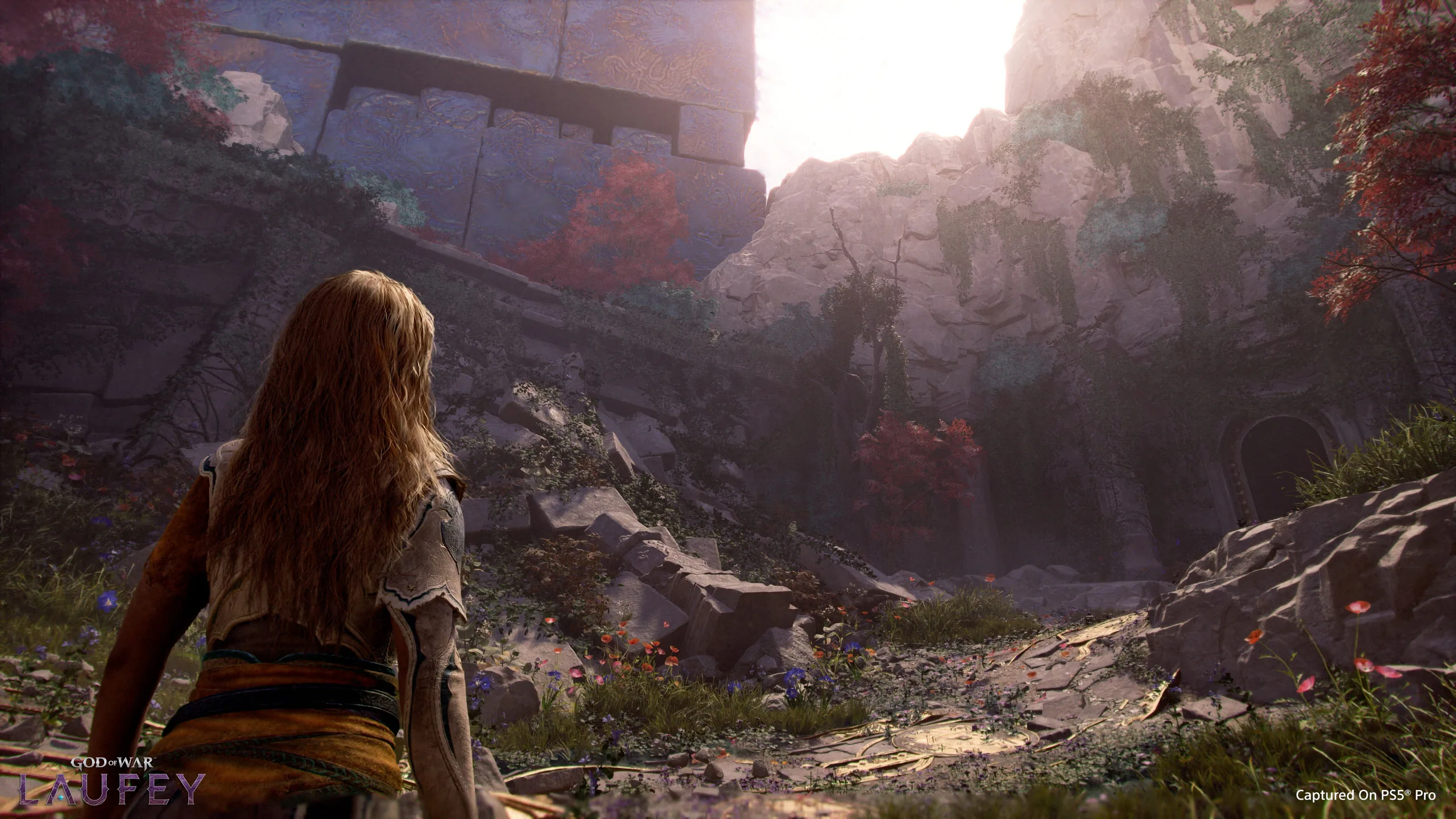
Start with the turn from funeral grief to Everywhen survival, before the wider family mystery opens up.
Get the short answer on where Laufey fits and why the game is not best read as a simple prequel.
See the shortest useful route from the Greek saga to Laufey without treating Sons of Sparta as required setup.
Quick answers
Official reveal material says death was not the end for Laufey and frames the game as the untold side of her story rather than another Kratos-led chapter.
Not in the simple sense. The reveal treats it as the modern timeline from Laufey's side, not a simple step back into the past.
It branches from the funeral turning point in God of War (2018), then follows Laufey in the Everywhen while Kratos and Atreus continue on their own Norse path.
The new story picks up from the funeral pyre. Official material says Kratos places Faye's body on the pyre, burns it, and Laufey then wakes in the Everywhen after death.
Yes. Official copy says Laufey wakes after death, making the post-funeral framing explicit.
In the Norse games, Kratos’ wife is Laufey, also known as Faye. Her death before God of War (2018) begins the ashes journey, while God of War Laufey follows her own path after death.
Official behind-the-scenes material says it begins at the moment Kratos places Faye's body on the pyre and burns it, then follows Faye as she wakes in the Everywhen.
The Everywhen is the afterlife of the gods, a realm where magic returns, where different mythologies can collide, and where the dead gods are said to return at the end of their lives.
No. PlayStation says Laufey works standalone. Sons of Sparta is extra Kratos youth background, not required story setup for Laufey.
In God of War 2018, the marked trees are the practical start of Kratos and Atreus' ashes journey. For players, they are the clearest symbol that Faye's plan began shaping the saga before anyone understood its full scale.
Old Norse-saga background ties the Leviathan Axe to Faye before it becomes Kratos' signature weapon, which makes it one of the strongest legacy links between Laufey's life and Kratos' side of the story.
Yes. The premise says the plans Laufey made to protect them are now at risk.
Yes. PlayStation says it works standalone, while God of War (2018) and Ragnarok make the family stakes land harder.
Not as a clean post-Ragnarok sequel. Laufey starts from the funeral turning point, while Ragnarok and Valhalla sit later in Kratos and Atreus' chronology.
Valhalla helps explain where Kratos stands after Ragnarok, but no official source says it is a direct bridge into Laufey's Everywhen story.
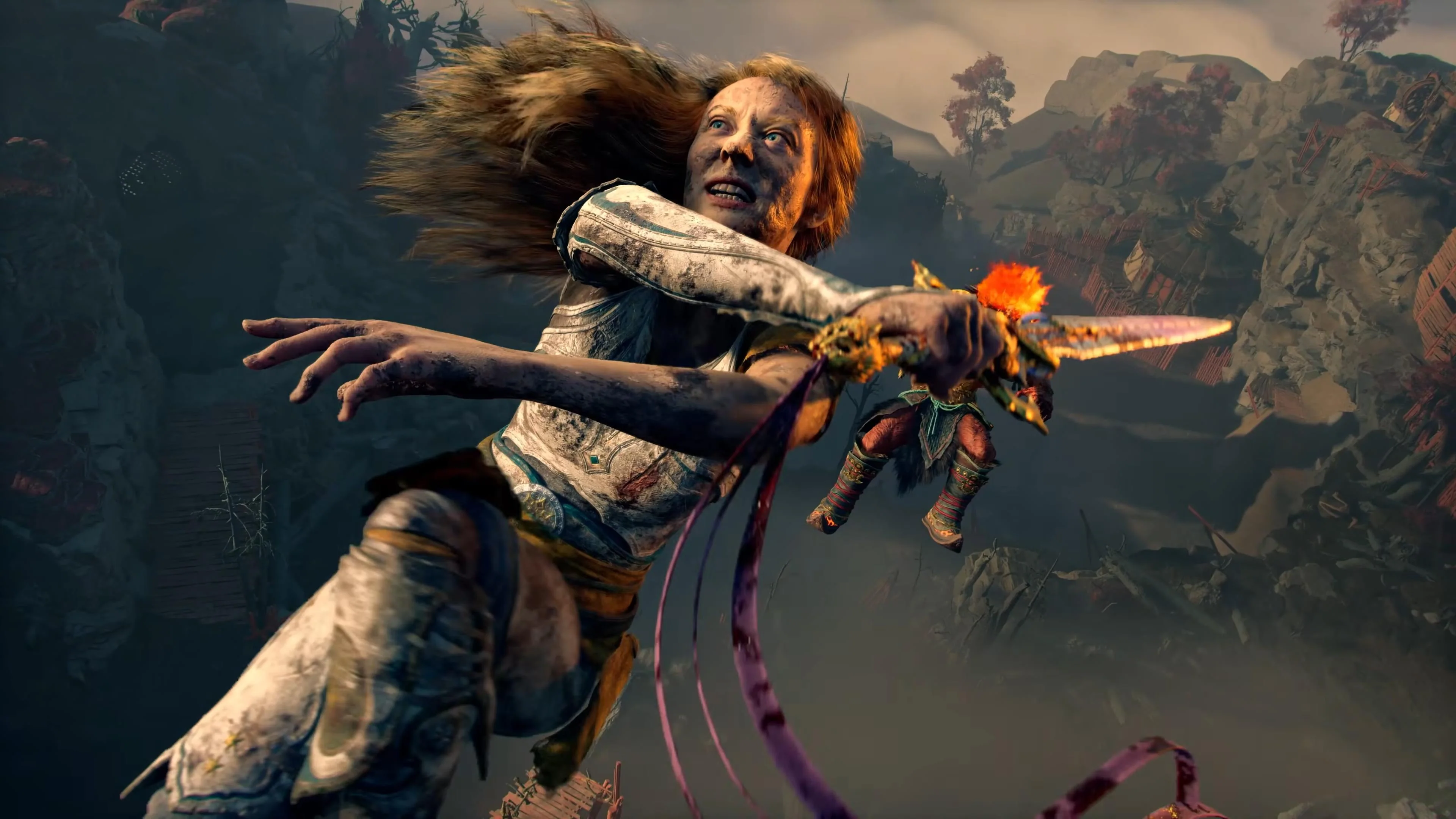
Official story material says the natural flow of magic has been disrupted, making the Everywhen harder to leave and turning her search for a way home into a major goal.
Previous games
These games add context, but they are not required homework. Use this as a replay shortcut before going deeper.
Kratos' old-god history explains his reputation, trauma, and why his past still carries weight, but it does not directly explain Laufey's current Everywhen journey.
Laufey's final wish sends Kratos and Atreus from the Wildwoods toward Jotunheim, turning her marked trees, ashes journey, and hidden Giant legacy into the engine of the Norse saga.
Ragnarok pushes Kratos and Atreus through prophecy, Odin's pressure, and coming-war choices, expanding why Laufey's foresight matters to the family.
Valhalla is an epilogue after Odin's defeat and Atreus' departure. It clarifies Kratos' later state, not a confirmed link to the Everywhen.
Sons of Sparta is a separate Greek-era prequel about Kratos and Deimos in Kratos' youth. It works as Kratos background, not direct setup for Laufey's plot.
Story pillars
The story opens after Laufey's death and funeral, with her waking in a realm her old life cannot simply reach.
The Everywhen is the afterlife of the gods, where magic returns, different mythologies can collide, and dead gods are said to return.
Laufey's threatened plan for Kratos and Atreus gives the story its central stake. PlayStation now also lists Chris Judge as Kratos in a Laufey cast panel, while his story role remains unrevealed.
The official FAQ says the game works standalone, while God of War (2018) and Ragnarok add family and world context.
Official story material says the natural flow of magic is disrupted, making the Everywhen harder to escape.
Laufey is framed as searching for a way home, not just surviving the realm, and official trailer subtitles repeatedly center that goal.
God of War (2018), Ragnarok, Valhalla, Sons of Sparta, and the Greek saga frame Kratos, Atreus, and prophecy. They stay context unless official sources tie them directly to Laufey plot beats.
Old-series background ties Faye to the marked trees, the ashes route, the Wildwoods home, and legacy gear like the Leviathan Axe, giving players a clearer bridge into why her side of the story matters now.
Open questions
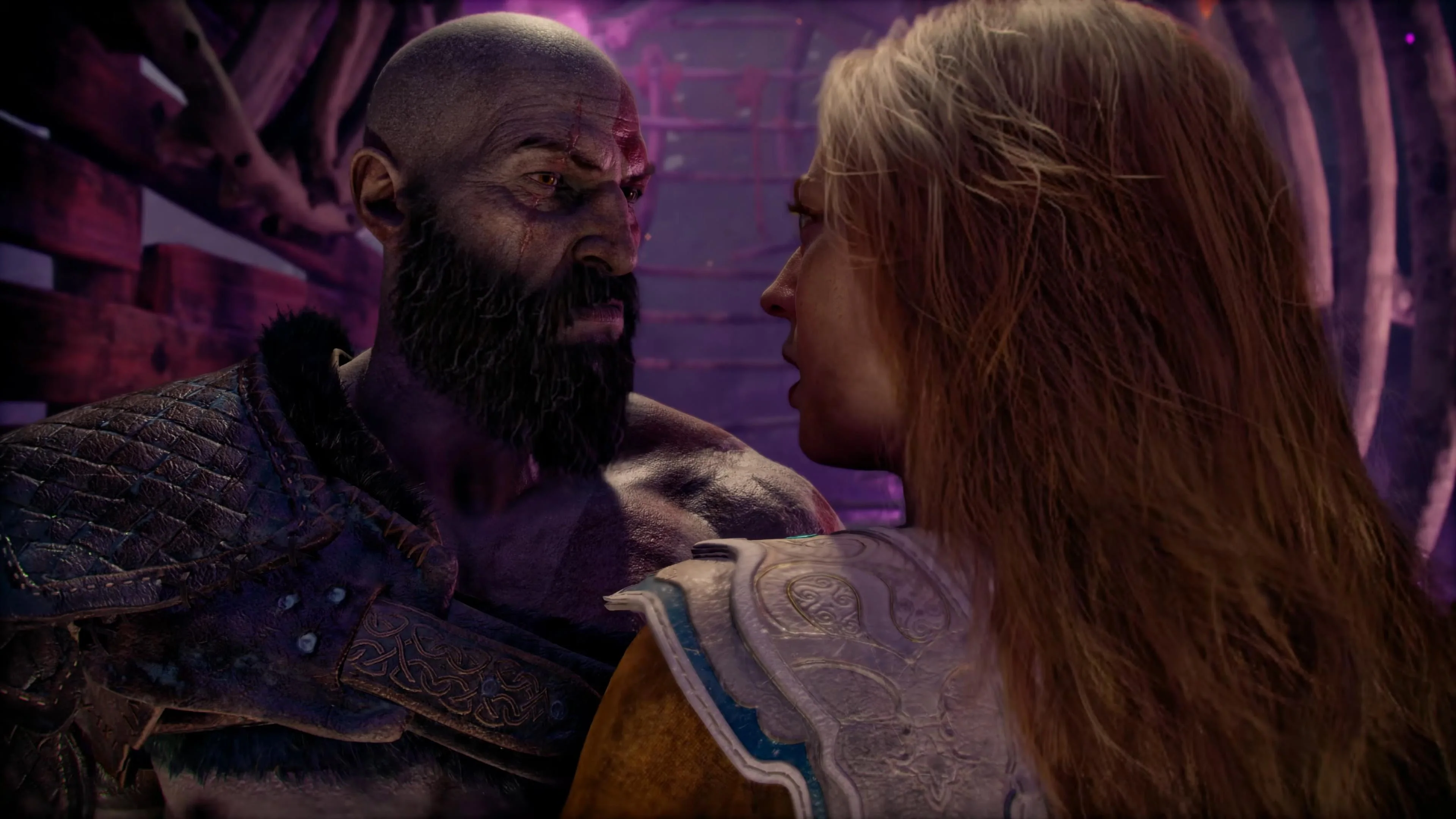
PlayStation lists Chris Judge as Kratos in the Laufey Comic-Con cast panel. It does not reveal Kratos’ story role, whether Atreus appears, or whether either character is playable.
Official copy confirms the awakening after death, but the mechanism and full timeline rules are still unrevealed.
Official story material frames the realm as difficult to leave, but the ending and route home are still unknown.
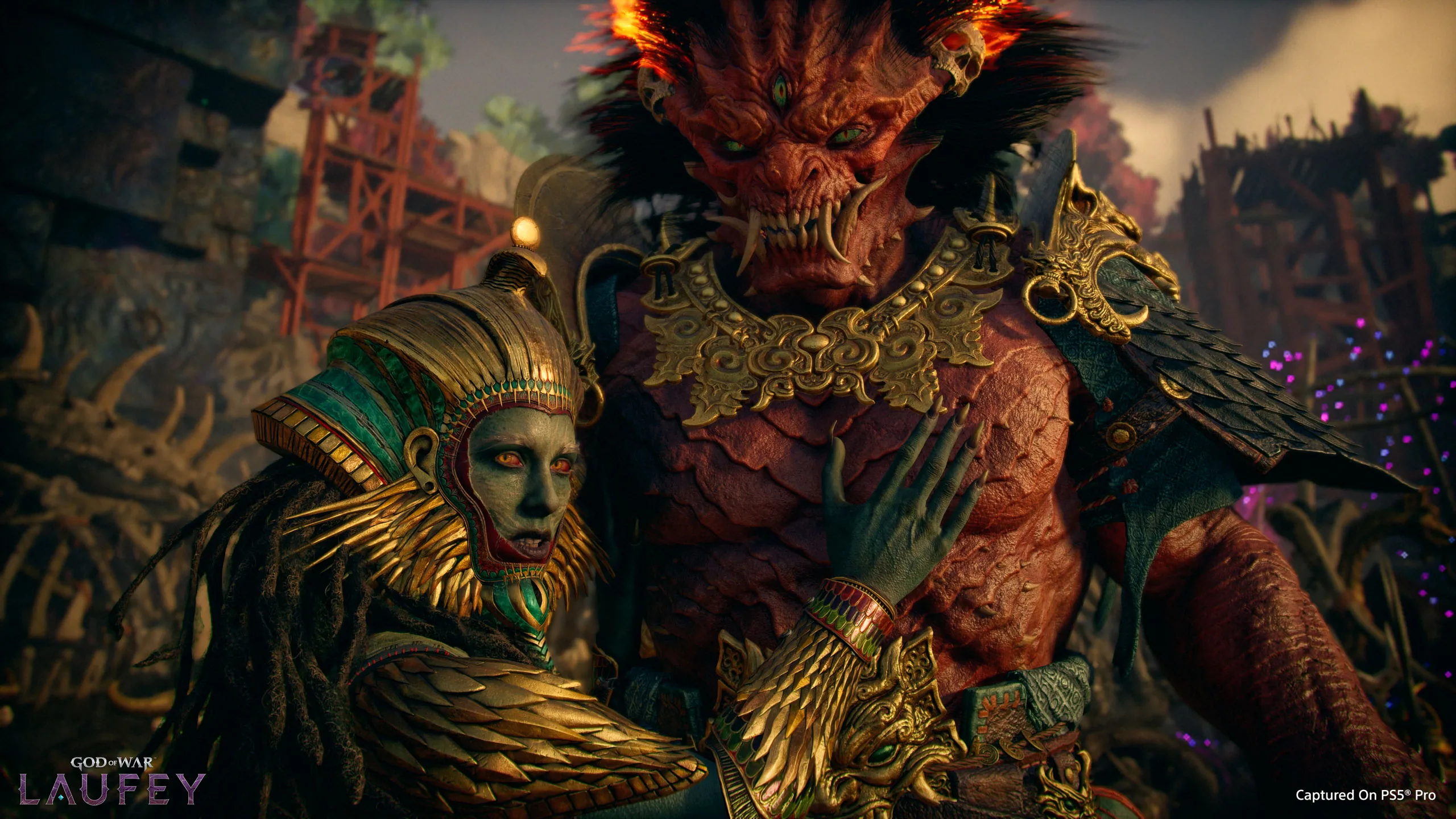
Sekhmet and Begtse are confirmed, and multiple mythologies are part of the premise. A full Egypt saga or any future setting is not confirmed yet.
Valhalla is useful post-Ragnarok background for Kratos, but no official source directly connects it to Laufey's Everywhen story.
Further story reading
Best official source for the funeral aftermath, the Everywhen, companions, hostile gods, and the core story premise.
Best official source for the standalone FAQ, recommended previous games, and the core family-stakes setup.
Confirms Chris Judge as Kratos in the official Laufey panel cast. It is a cast-status update, not a plot reveal.
Useful official reference for 2018, Ragnarok, Valhalla, Sons of Sparta, and the older Greek entries.
Secondary support for timeline framing around the prequel question.
Helpful for Laufey-perspective framing and visible context. Official text still carries more weight.
Support source for Wildwoods, marked trees, Leviathan Axe legacy, Guardian Shield legacy, and other player-facing old-story context that official Laufey pages only mention indirectly.
See where Faye’s journey begins, what is at risk, and which story questions remain unanswered.
Laufey wakes after her funeral and her plans are at risk.
Older God of War and Ragnarok pages are background, not direct Laufey plot confirmation.
Kratos is now listed in the official cast panel, but his story role, Atreus’ appearance, and Valhalla links remain unknown.