Everywhen
Everywhen
The main lore mystery and the place where the story begins.
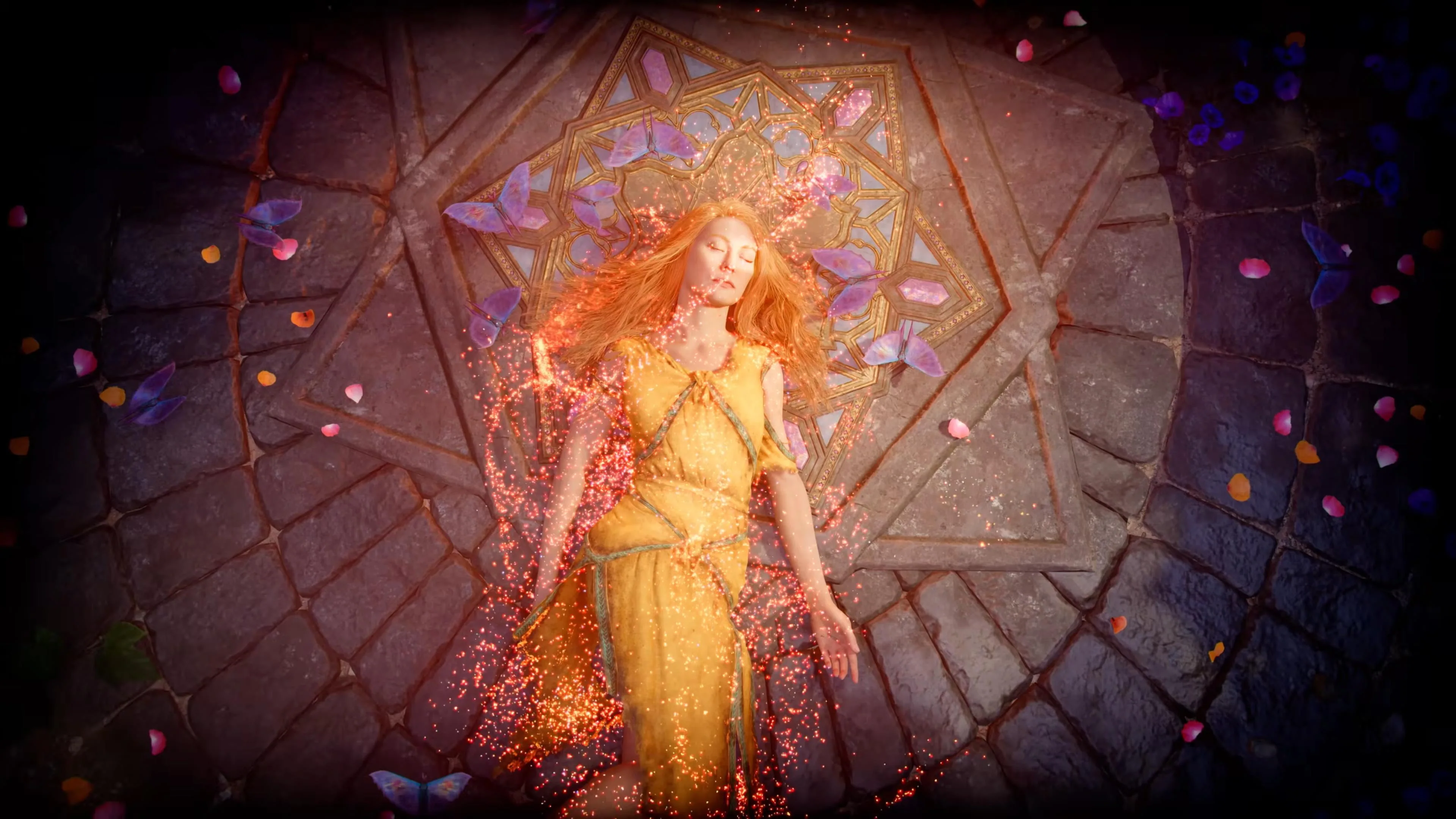
A fast God of War Laufey wiki for Everywhen, gods, Jotnar, lore terms, and quick answers.
Updated:
Start here
Open the part that explains the name, place, or lore term first.
The main lore mystery and the place where the story begins.
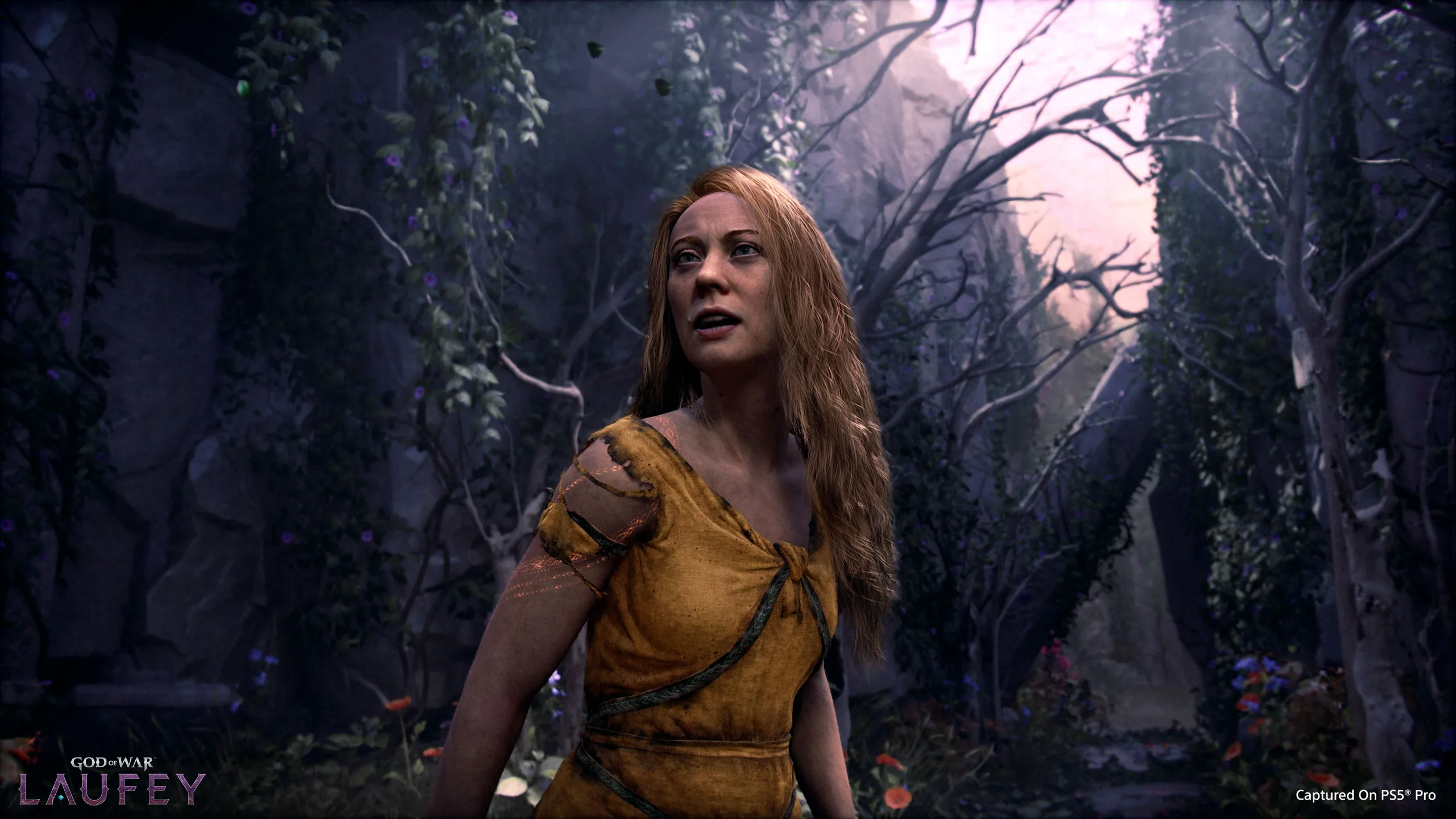
The best entry point if you want the official identity around Laufey.
Useful when you want to separate official names from open mythology guesses.
Laufey, Everywhen, Phranque, Rue, Sekhmet, Begtse, Jotnar, Aesir, Wildwoods, Leviathan Axe, Kratos, and Atreus.
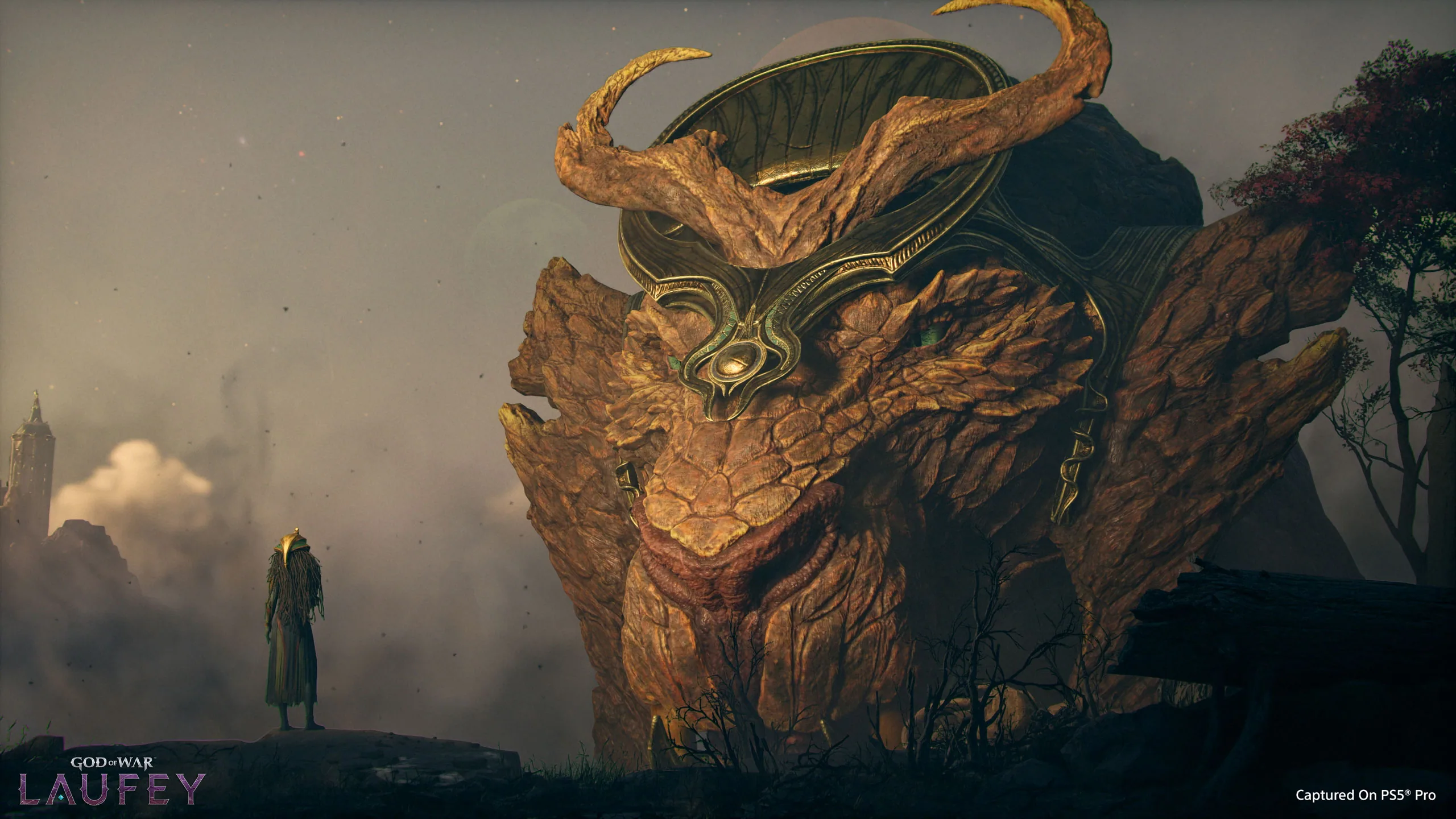
See which details are official, which ones are still unclear, and which questions belong in Mythology.
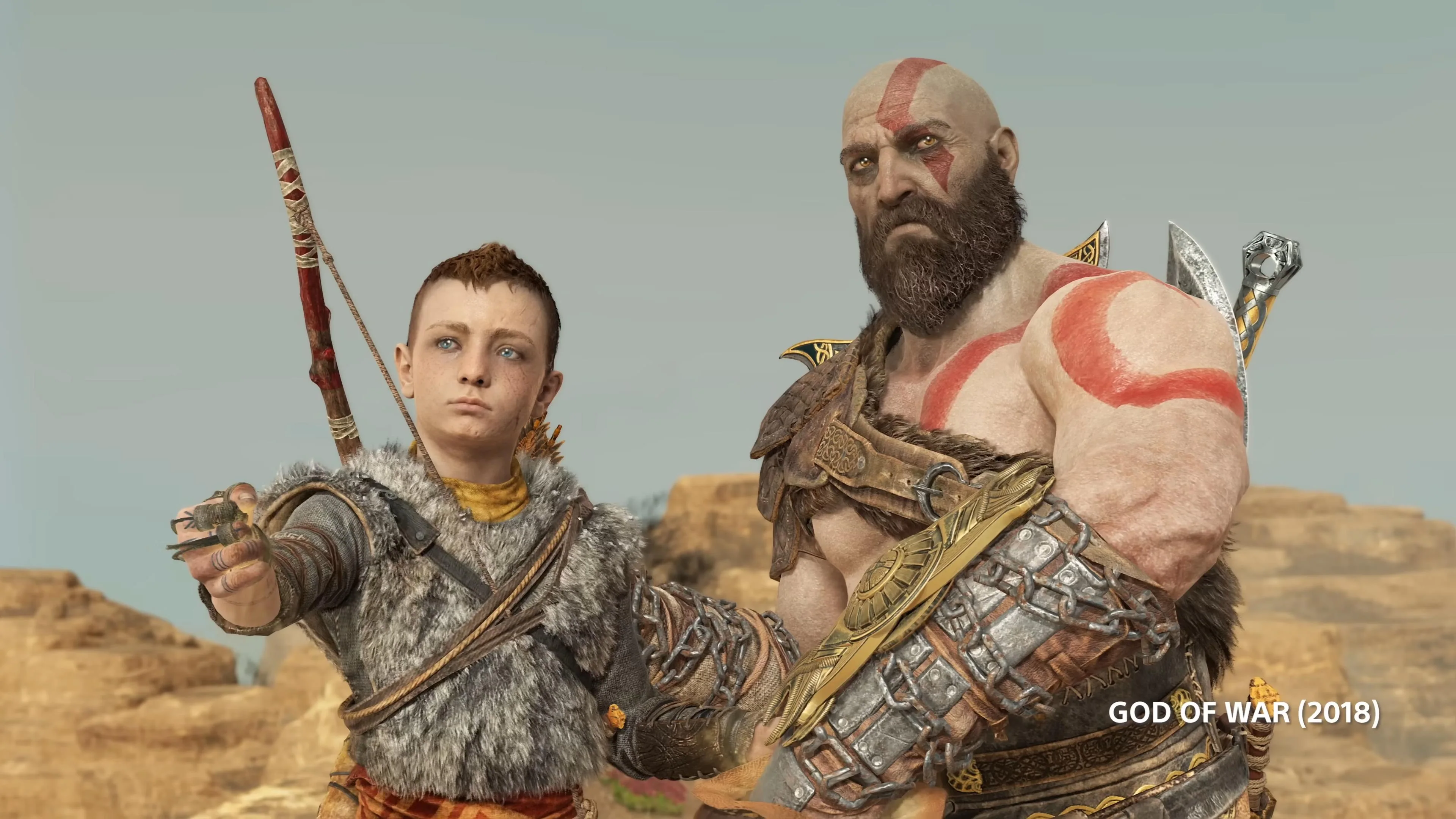
A compact path from the Greek saga to Laufey, so you know what is useful context and what is not required homework.
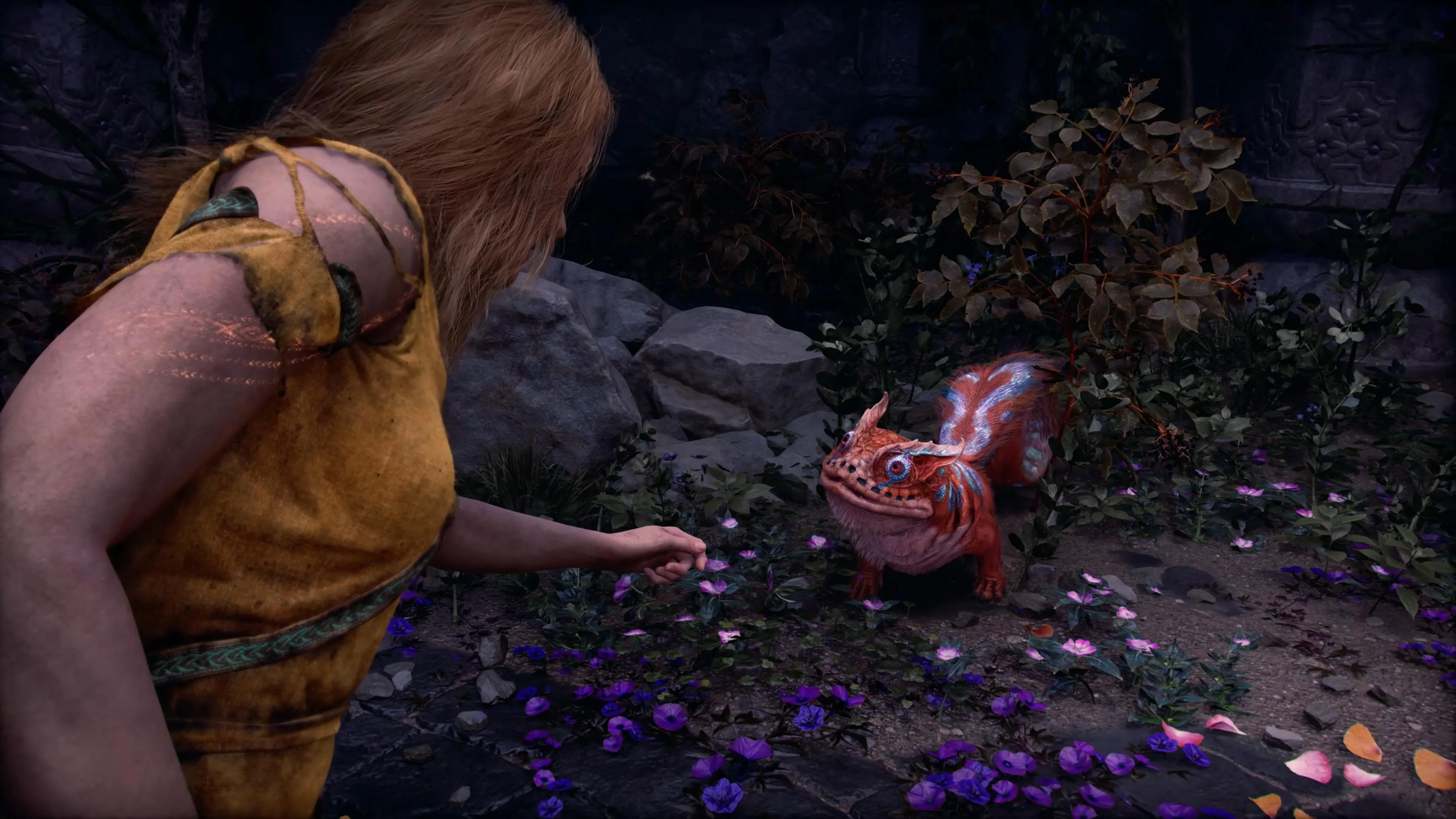
Official wording helps players separate confirmed details from rumors.
More to explore
Pick a topic for the full story, guide, or breakdown.
Learn what God of War Laufey officially confirms about Begtse, how the reveal presents him, and which mythology claims remain uncertain.
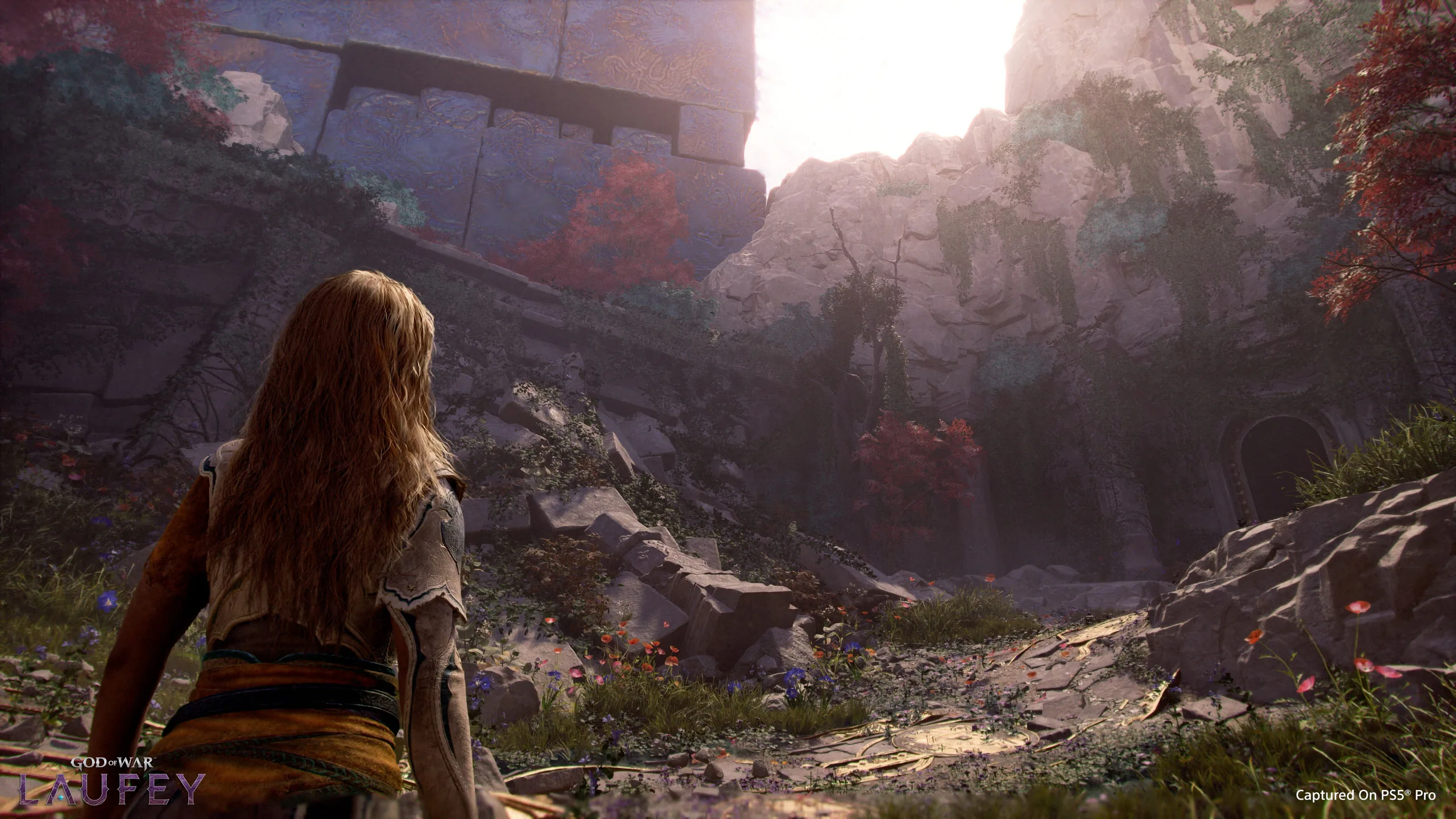
Understand the Everywhen in God of War Laufey: a divine afterlife where Laufey wakes, ancient magic flows, and multiple gods can meet.
Learn who the Jotnar are, why Laufey protects their legacy, how Atreus connects to them, and what matters for God of War Laufey.
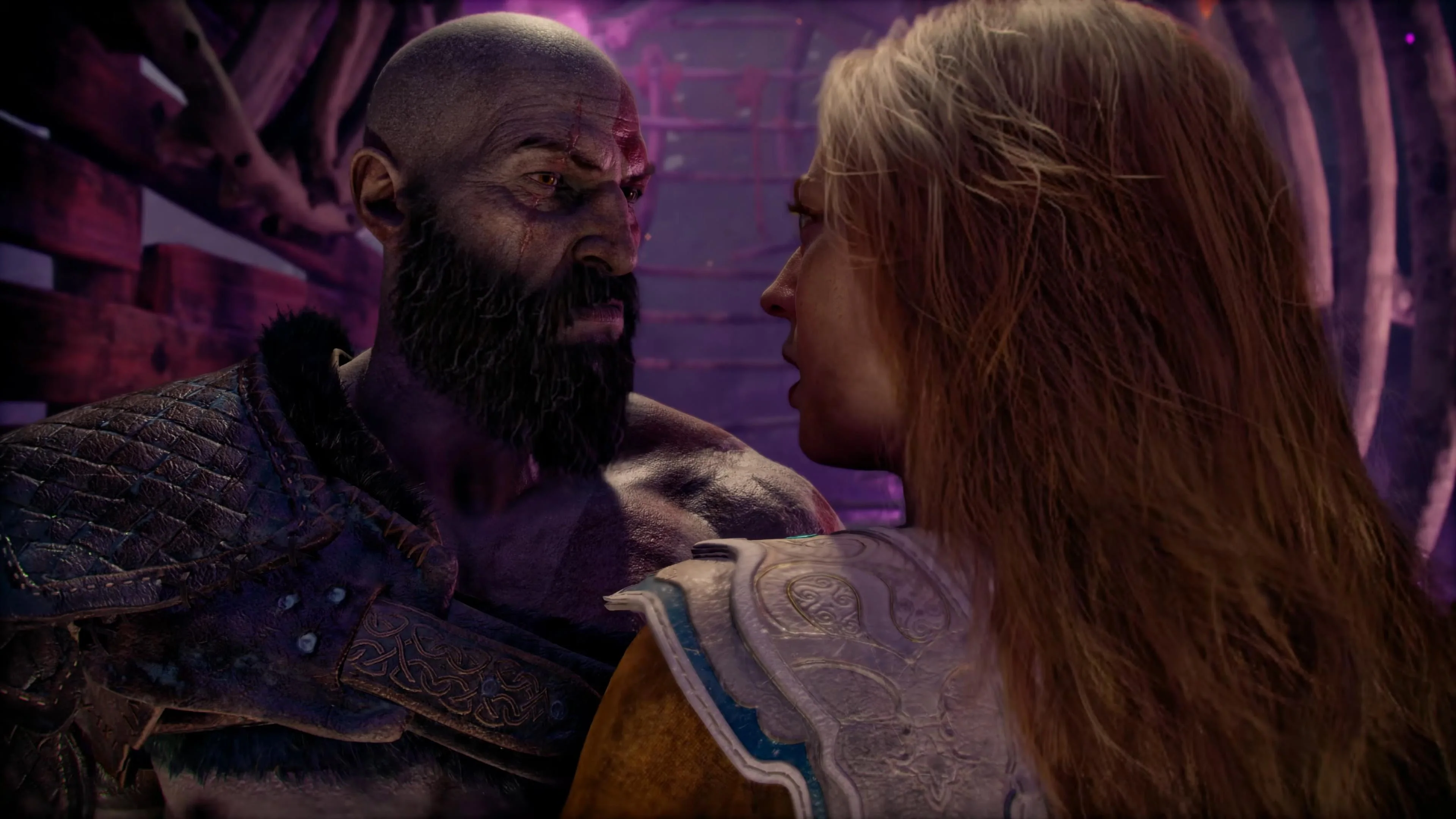
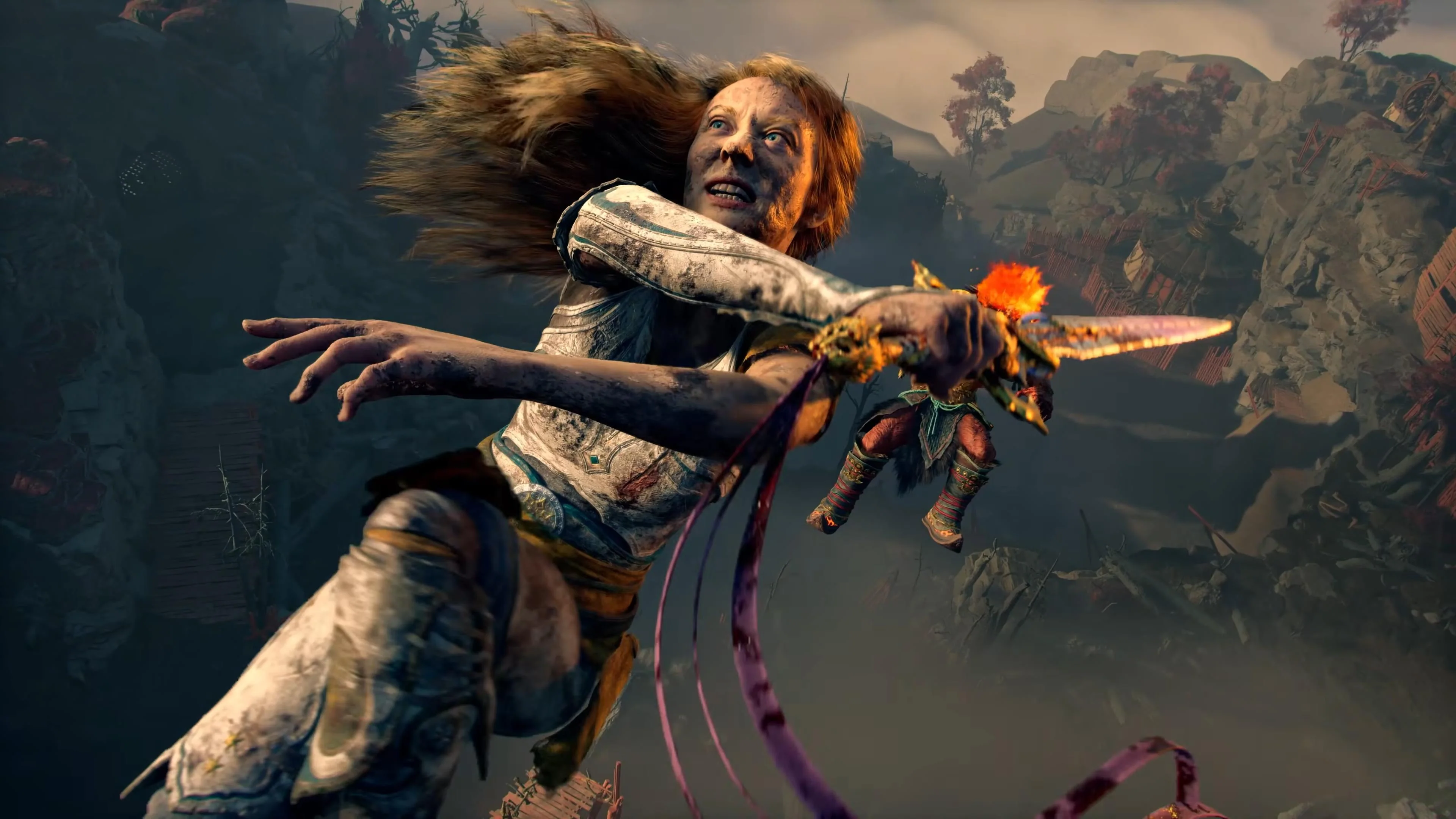
Meet Laufey, also known as Faye: Jotnar warrior, Kratos' wife, Atreus' mother, and the playable lead of God of War Laufey.
Learn what God of War Laufey confirms about Sekhmet, how Egyptian mythology describes her, and which connections remain fan theory.
Quick answers
God of War Laufey takes place in the Everywhen, the afterlife of the gods. It is where Laufey wakes after death and where gods and creatures from different mythologies can meet.
The Everywhen is a realm beyond the familiar Norse world where magic returns and dead gods are said to return at the end of their lives. Its full rules are still unknown.
It is the name of the afterlife of the gods. Official PlayStation wording describes it as the place where magic returns and where gods from different mythologies can collide.
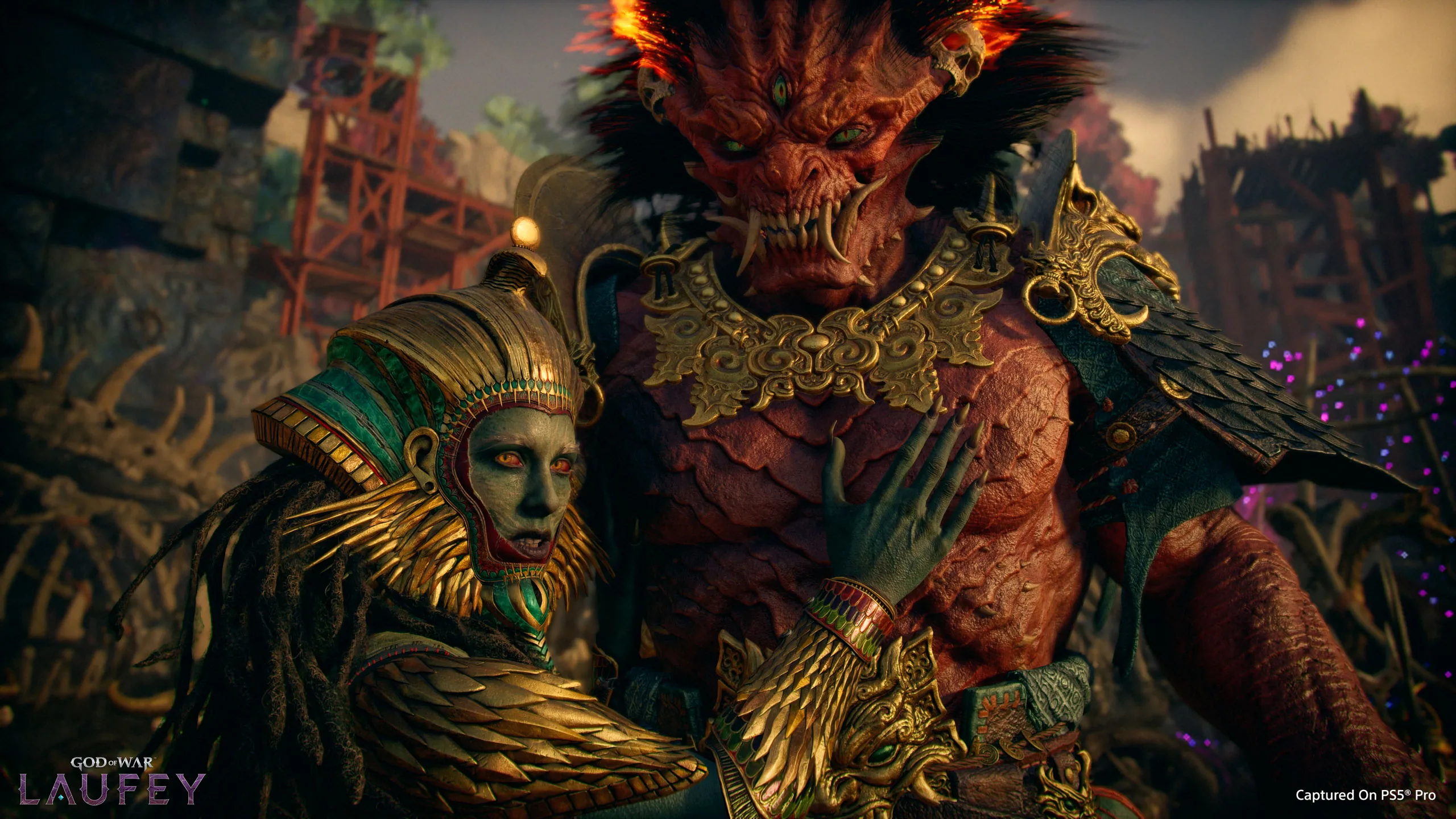
Sekhmet and Begtse are the two officially named gods shown so far. Both are presented as hostile figures Laufey encounters in the Everywhen.
Wiki starter guide
Start with names, places, powers, and lore terms. Use the other channels only when you need plot, cast, release, or mythology questions.
Laufey, Kratos, Atreus, Phranque, Rue
Everywhen, Wildwoods, Nine Realms
legendary sword, Leviathan Axe, Guardian Shield, golden palm strikes, soul-linked abilities
Sekhmet, Begtse, Jotnar, Aesir, Jotunheim, afterlife of the gods
official facts, background context, open questions, and Mythology-only ideas
Greek saga, 2018, Ragnarok, Valhalla, Sons of Sparta, and where Laufey fits
Start with these terms
Playable lead, Jotnar warrior, Kratos wife, Atreus mother, and the old-world force behind the Wildwoods and ashes journey.
A long-running old-story name used around Faye in community and series background, useful for players tracing her larger reputation beyond the new reveal.
The afterlife of the gods, where magic returns and gods or creatures from different mythologies can collide.
Official PlayStation wording for the Everywhen, the realm Laufey enters after death.
Laufey's highest Jotnar protector title, tied to her amplified soul-linked abilities in the Everywhen.
Official title used for Laufey on the PlayStation game page, marking her as a protector of the Giants, a rebel against the Aesir, and the lone defender of the Wildwoods.
A confirmed part of Laufey's Jotnar power set, including attacks that separate and damage souls inside the Everywhen.
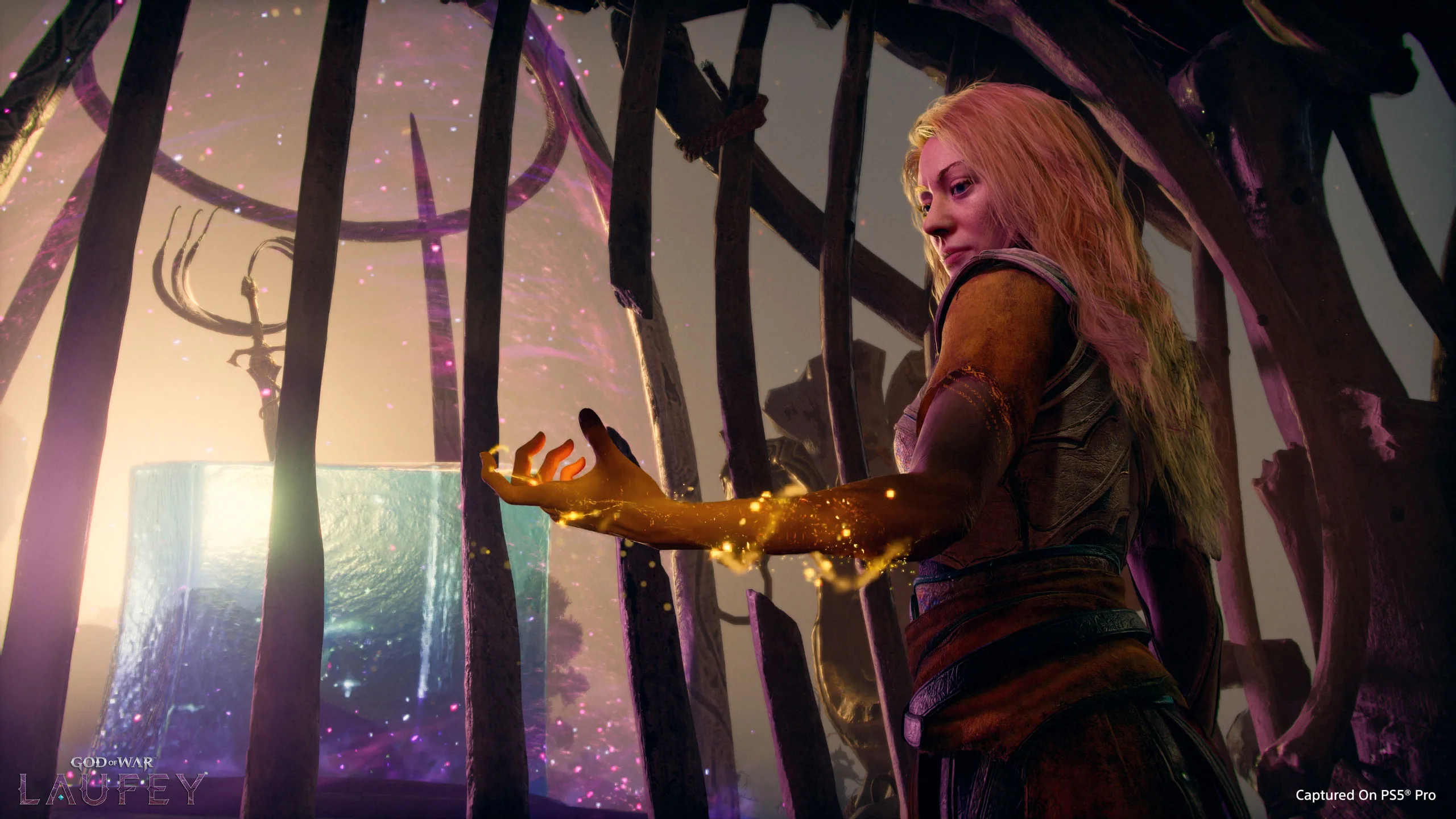
A curious cosmic cube companion who joins Laufey's Everywhen journey.
An enchanted ribbon guardian entrusted with protecting a devastatingly powerful sword.
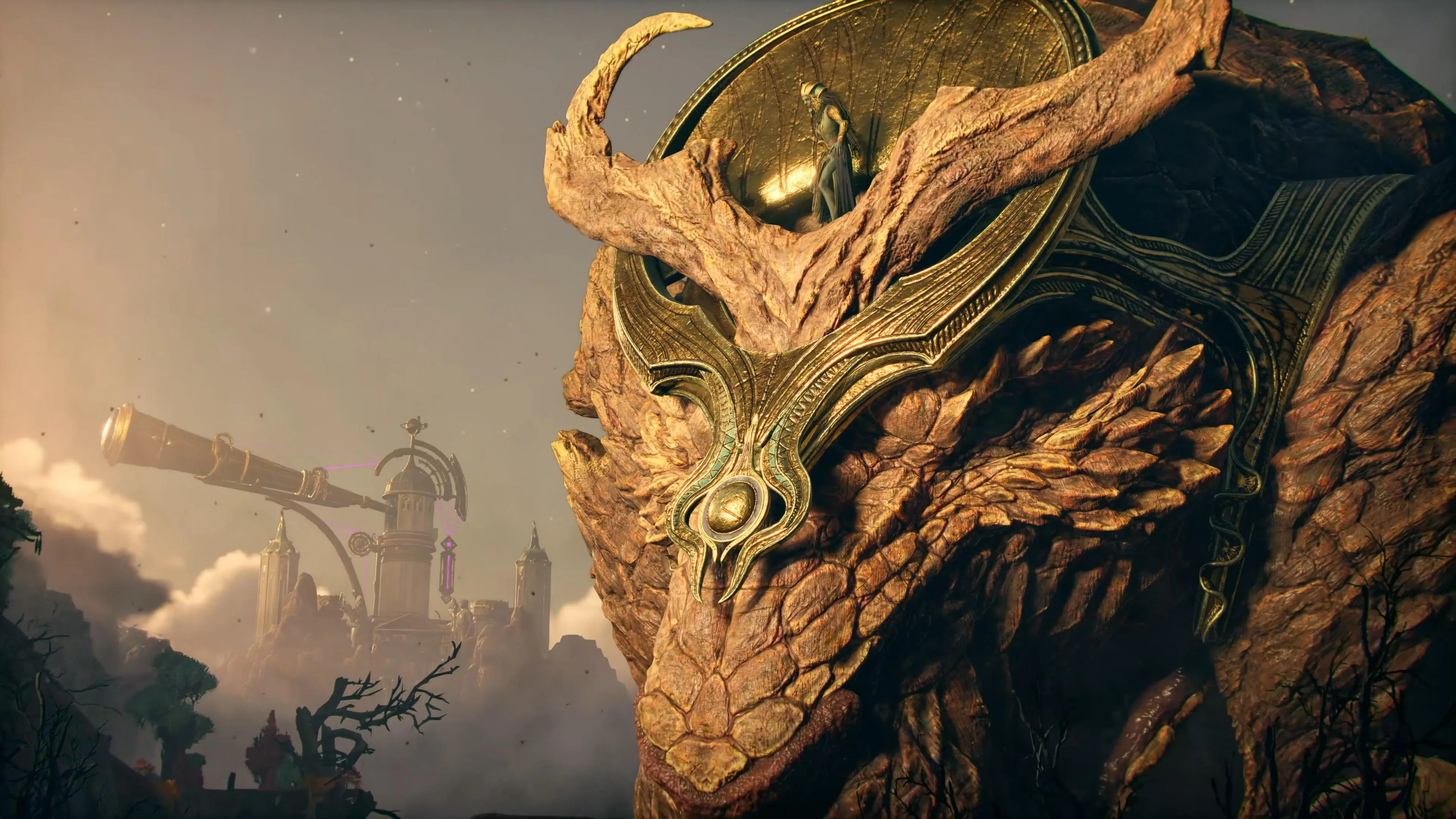
A hostile god confirmed to appear in the Everywhen during Laufey's journey.
A hostile war deity confirmed to appear in the Everywhen reveal material.
The giants are central to Laufey's identity, her title, Atreus' bloodline, and the prophecy thread carried over from the Norse saga.
Homeland of the Giants and the wider tradition behind Laufey's Jotnar identity. The 2018 ending also ties it to the reveal of her Giant legacy and Atreus' bloodline.
The Aesir are the Norse gods whose war against Giants shaped Laufey's past and the world Kratos and Atreus inherited.
Laufey's home territory, the family starting point in God of War 2018, and the official Wildwoods identity attached to her on the PlayStation game page.
A legendary weapon formerly owned by Laufey before becoming Kratos' signature axe in the Norse saga. Old-series background says the Huldra brothers forged it for her to stand against Mjolnir.
A personal shield tied to Kratos' Norse-era life and commonly treated in old-story background as one of Faye's gifts, making it another emotional bridge back to Laufey.
The marked trees are the practical beginning of Kratos and Atreus' funeral journey, and the clearest old-game symbol of how Faye set the Norse saga in motion.
An officially unnamed blade guarded by Rue and later wielded by Laufey after earning Rue's trust.
The Nine Realms define the Norse saga, while the Everywhen sits beyond mortal afterlives and pulls in gods from multiple mythologies.
Laufey's husband, Atreus' father, and the bridge between his Greek past and Norse family life. PlayStation lists Chris Judge as Kratos in an official Laufey panel, while his game role remains unrevealed.
Laufey's son, Kratos' child, and carrier of her Jotnar legacy. The 2018 ending also confirms the Giant name Loki.
The Giant name tied to Atreus at the end of God of War (2018), linking Laufey's family line to the Norse prophecy thread.
The Huldra brothers forged the Leviathan Axe for Laufey, linking one of Kratos' signature weapons directly back to her.
Freya matters to Laufey as part of the Norse fallout that reshaped Kratos and Atreus before the new story begins, but she is not a confirmed active Laufey character.
Baldur belongs to the Norse conflict that changed Kratos and Atreus before Laufey wakes in the Everywhen, not to a confirmed active role in the new plot.
Deimos belongs to Kratos' Greek past and helps explain the family scars behind later God of War stories, but he is not a confirmed Laufey plot character.
PlayStation says God of War Laufey works as a standalone game, while God of War (2018) and Ragnarok add stronger world and family context.
Launching on PS5 on February 16, 2027. Standard and Digital Deluxe pre-orders are open, with US prices and rewards listed by PlayStation. A PC version remains unannounced; see Guides for the edition comparison.
A July 24 PlayStation panel featuring Ariel Lawrence, Cory Barlog, Deborah Ann Woll, Chris Judge, Jack Quaid, and Perlina Lau. The official game page now includes the panel recording.
Previous games in quick order
Older games add context for Kratos, Atreus, prophecy, and the funeral turning point. They stay background, not direct confirmation for new Laufey plot beats.
Series origin and Kratos becoming the God of War. Important for Kratos history, not for Laufey's direct starting point.
Zeus betrayal, fate, and Greek revenge escalation.
Kratos serving the Olympian gods before the first main game.
Deimos and Kratos family trauma background.
Greek saga ending and the fall of Olympus.
Kratos guilt, Ares oath, and early Greek trauma.
The most important pre-Laufey catch-up point: Laufey's funeral, Jotunheim, Atreus' Giant identity, and the turn into the Norse saga.
Ragnarok deepens Atreus' prophecy, raises the family stakes, and sets the world left behind before Laufey wakes in the Everywhen.
A Kratos epilogue after Odin's fall and Atreus' departure, useful for emotional context but not a confirmed direct bridge to Laufey's plot.
Separate Greek-era context focused on Kratos' youth and Deimos, useful background but not a confirmed Laufey story link.
PS5 mainline entry with Laufey as the lead, set in the Everywhen after death and confirmed as standalone.
Development context for Greek saga interest, not a confirmed Laufey story link.
How to read it
Laufey as the lead, PS5 availability, wishlist live, the Everywhen, Guardian of the Jotnar wording, Phranque, Rue, Sekhmet, and Begtse.
God of War (2018), Ragnarok, Valhalla, Sons of Sparta, the Nine Realms, Wildwoods, Freya, Baldur, Deimos, and older Greek-era material used only as context.
Edition structure, the official name of Rue's sword, Everywhen exit rules, Kratos' story role, and whether Atreus appears on-screen in Laufey.
A full Egypt arc, a wider pantheon roadmap, a direct Valhalla-Everywhen bridge, or playable roles for Kratos and Atreus.
Still have a bigger question?
Go to Characters for cast, relationships, companions, gods, and role breakdowns.
Go to Story for funeral timing, the Everywhen setup, and family stakes.
Go to Guides for PS5 status, wishlist tracking, combat notes, and viewing order.
Go to Mythology for Egypt hints, wider pantheon reading, and other open mystery threads.
Go to News for PlayStation Blog drops, store page changes, interviews, and reveal coverage.
Use Wiki first for labels like Guardian of the Jotnar, Golden Hand, Jotunheim, and the legendary sword.
Use Wiki for official meanings, then Mythology for bigger future questions and unconfirmed roles.
Wiki can name a role once. Character history and cast detail belong in Characters.
Still not confirmed
The release date is confirmed, but these purchase details are still unannounced.
Chris Judge is officially listed as Kratos in a Laufey panel. Kratos’ exact story role, Atreus’ appearance, and playability remain unknown.
Sekhmet and Begtse are confirmed figures. The larger direction still belongs in Mythology until official copy says more.
The game premise gives a starting point, but the full rules of the realm are still open.
These figures matter to the older Norse fallout, but official material does not confirm active roles for them in Laufey.
Learn more
Best official source for the Everywhen, the cast, the sword setup, and Laufey's powers.
Best official source for PS5 status, wishlist details, the standalone FAQ, Wildwoods wording, and Laufey's identity labels.
Useful for older series context, release years, and platform history, not for new Laufey story confirmation.
Best official recap for Laufey's funeral, Jotunheim, Atreus' Giant identity, and the key 2018 reminders.
Best official source for Kratos' post-Ragnarok epilogue context before any future link to Laufey is confirmed.
Helpful for extra wording and cast notes, but the main PlayStation pages still matter more.
Good for recap context around Kratos, Atreus, Wildwoods, and post-Ragnarok setup.
Good for recap framing and discussion context only, not for creating new official facts.
See what the game has shown, what comes from myth, and what has not been answered yet.
Names, premise, cast, Everywhen, gods, and combat framing.
PS5, wishlist, release status, and feature wording.
Connections beyond official wording should stay clearly open.