Sekhmet
Sekhmet
Sekhmet brings Egyptian divine history into view, but the story still treats that wider direction as an open mystery.
Read the gods, realms, and mythology around Everywhen, Sekhmet, Begtse, Laufey, and the Jotnar.
Updated:
Gods and myths
Start with Everywhen, Egypt, the gods, or the Kratos and Atreus question.
Sekhmet brings Egyptian divine history into view, but the story still treats that wider direction as an open mystery.
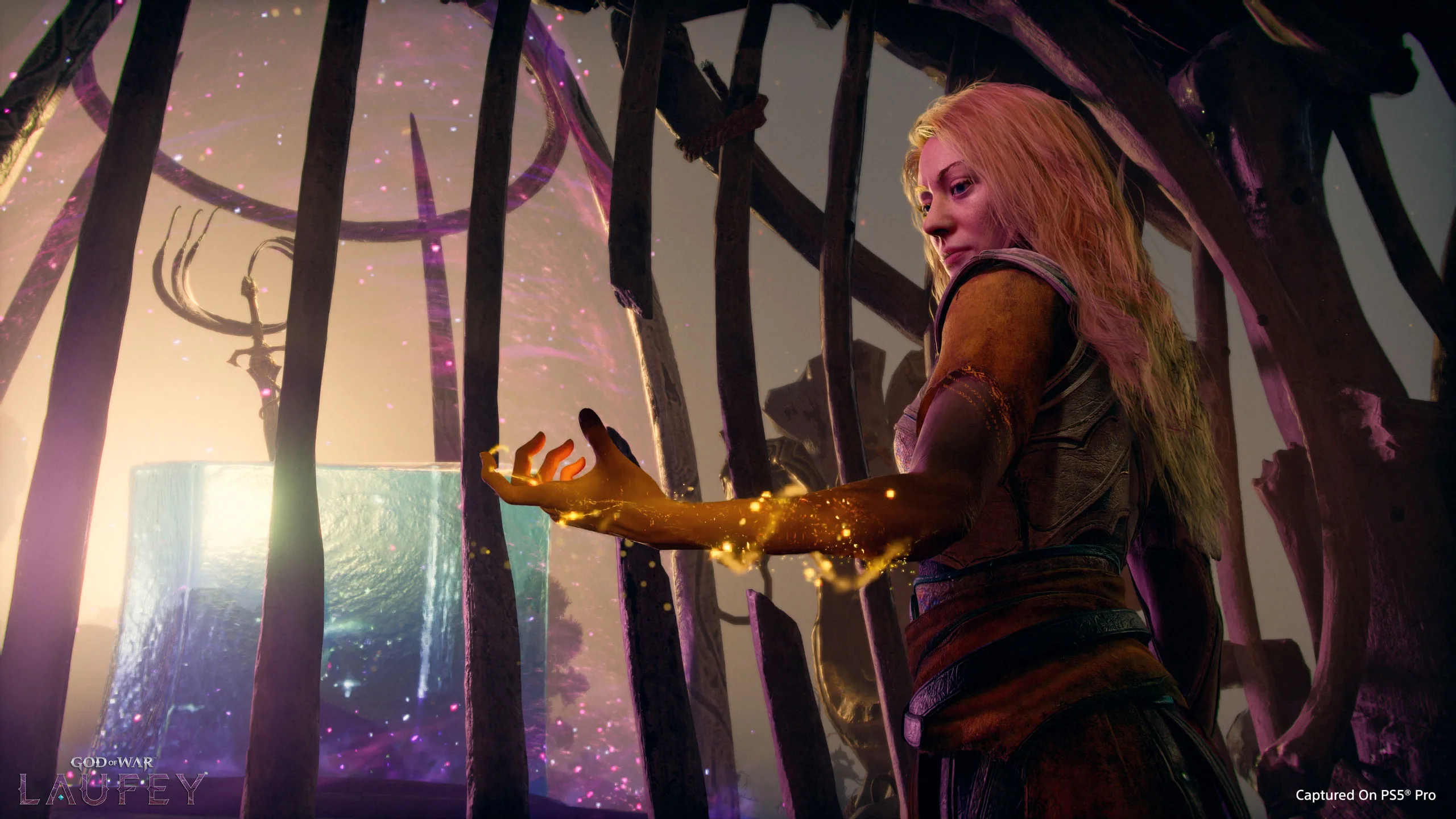
The afterlife of the gods already reads like a mythology crossroads, even before the game explains its deepest rules.
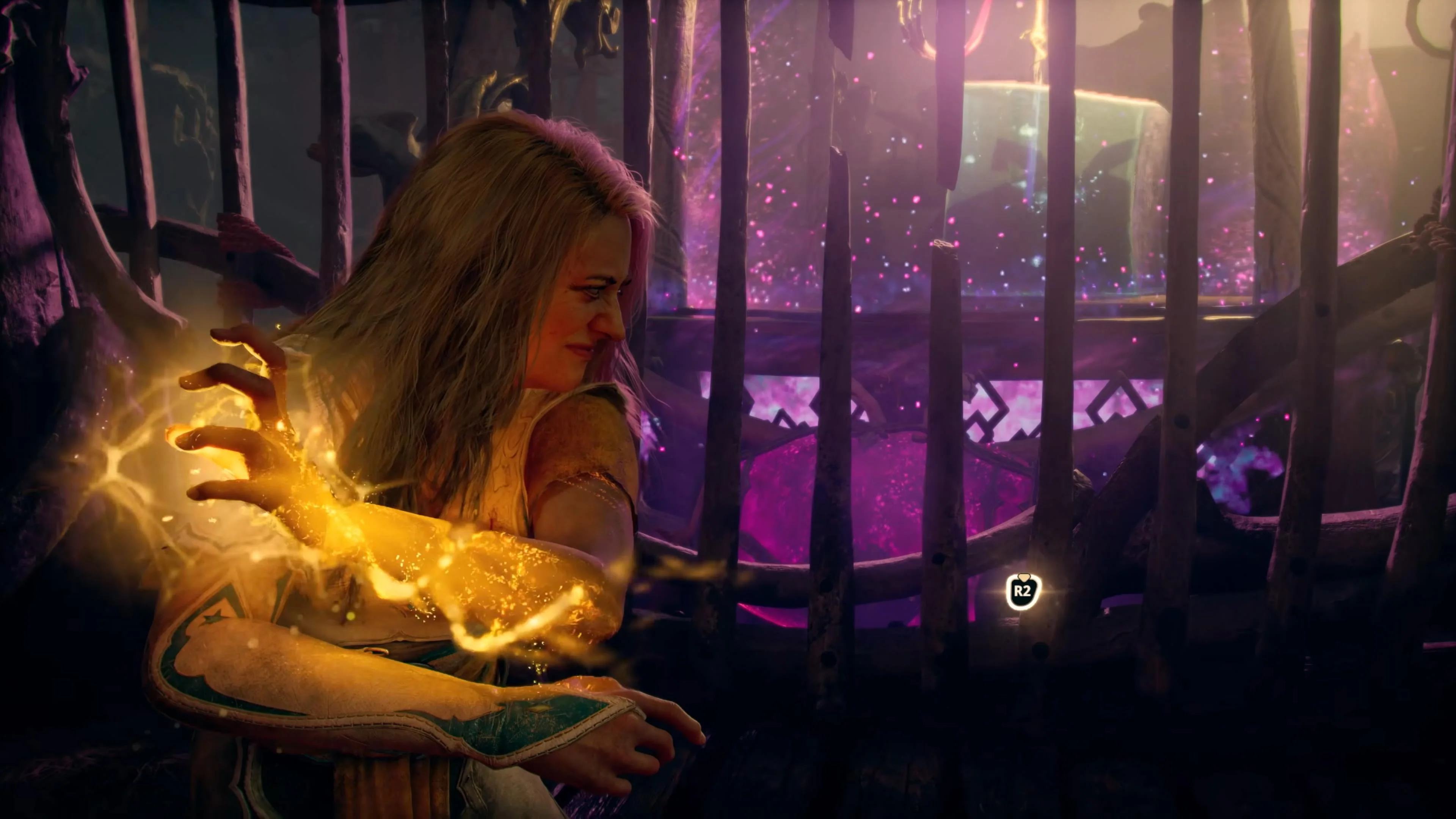
Laufey’s plans, soul powers, prophecy, and Jotnar memory form the strongest mythology thread on the page.
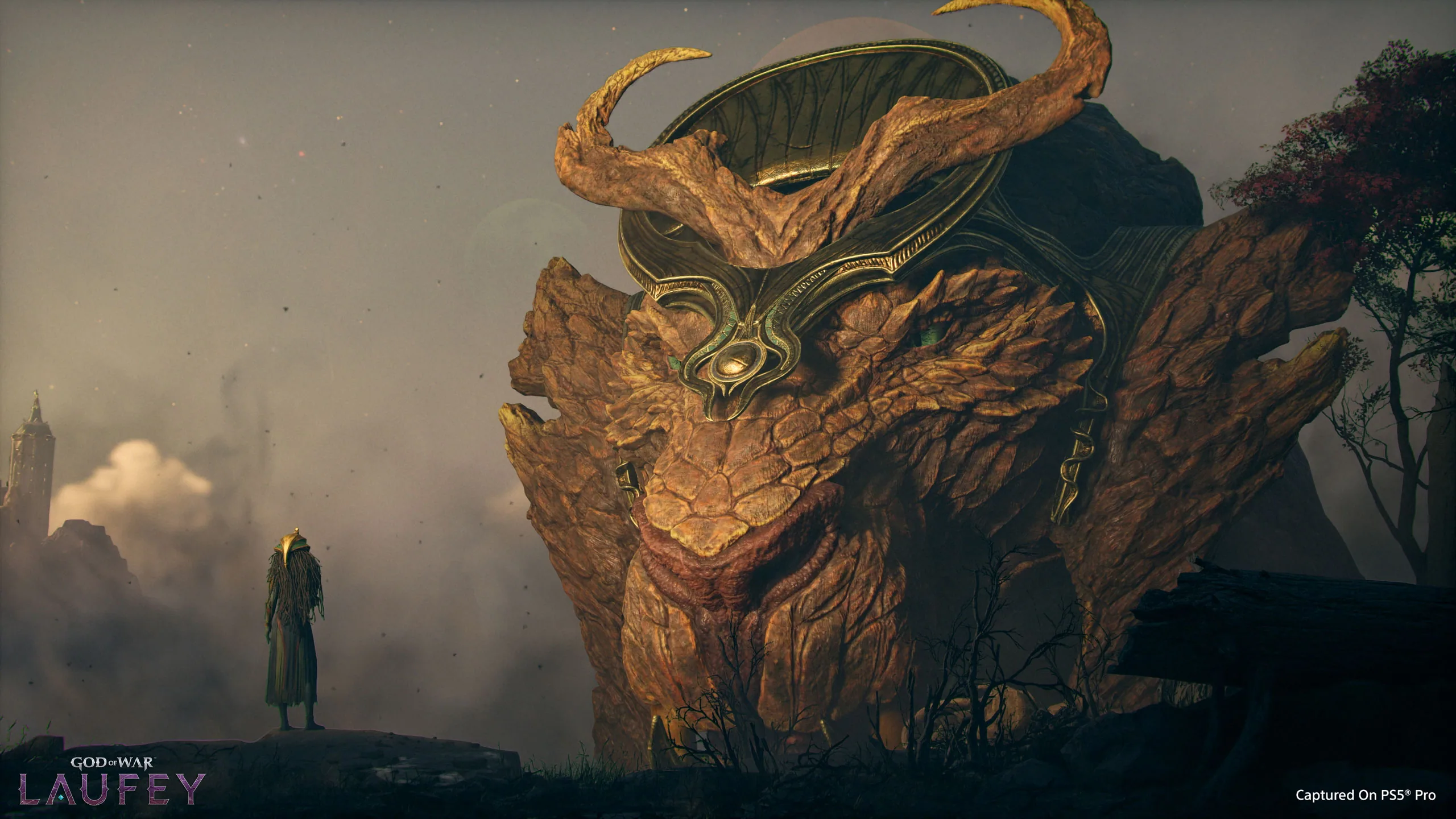
Sekhmet is confirmed on screen, but the leap from one hostile god to a full Egyptian saga still belongs to open mythology reading.
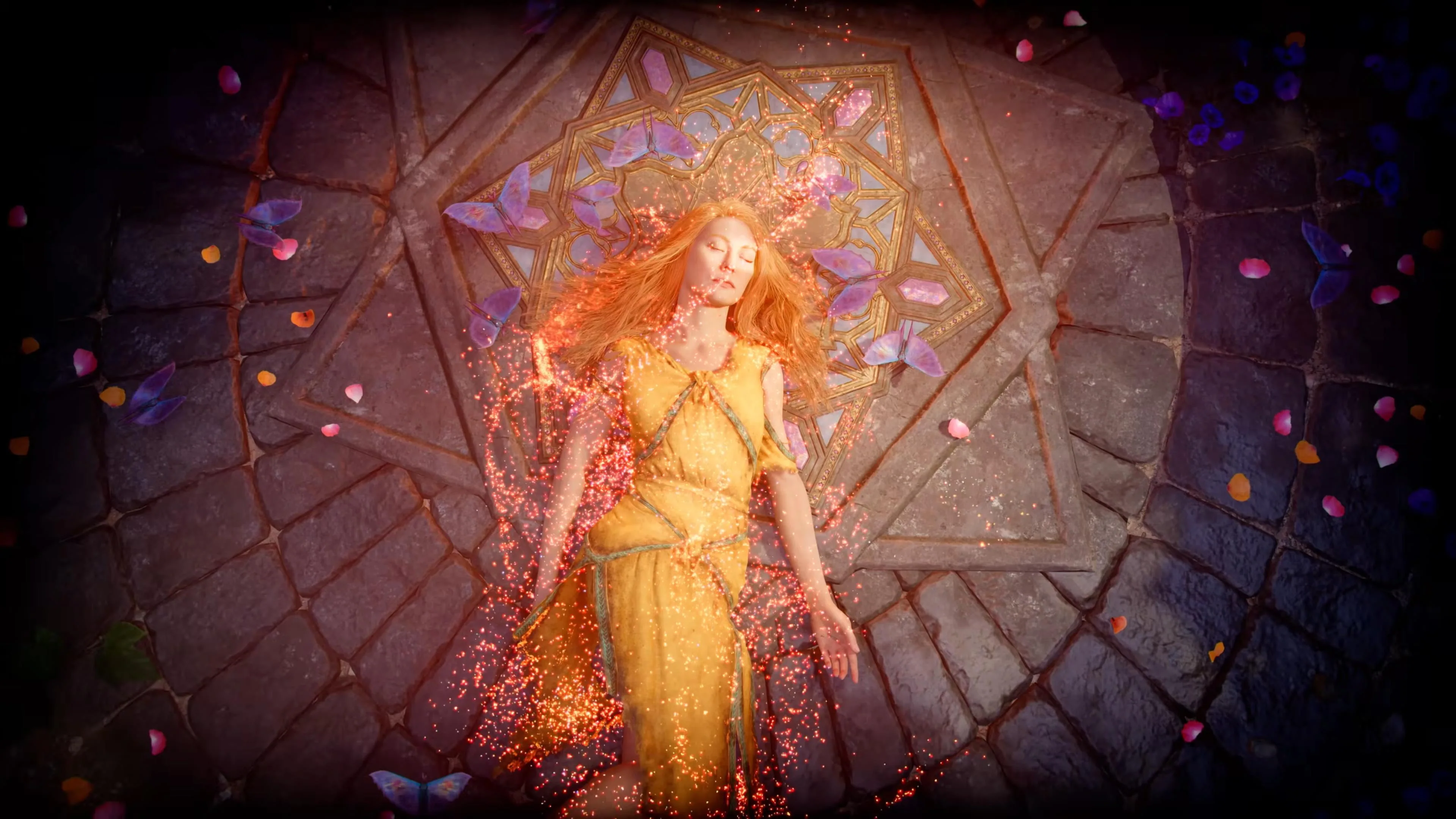
Why gods from different traditions meet here, what that means for the afterlife of the gods, and how far the reveal really goes.
Start with official facts, then widen into mythology context only where the reveal gives players a real reason to ask for more.
The premise keeps them central to Laufey’s mission, while their direct role inside the Everywhen remains intentionally unrevealed.
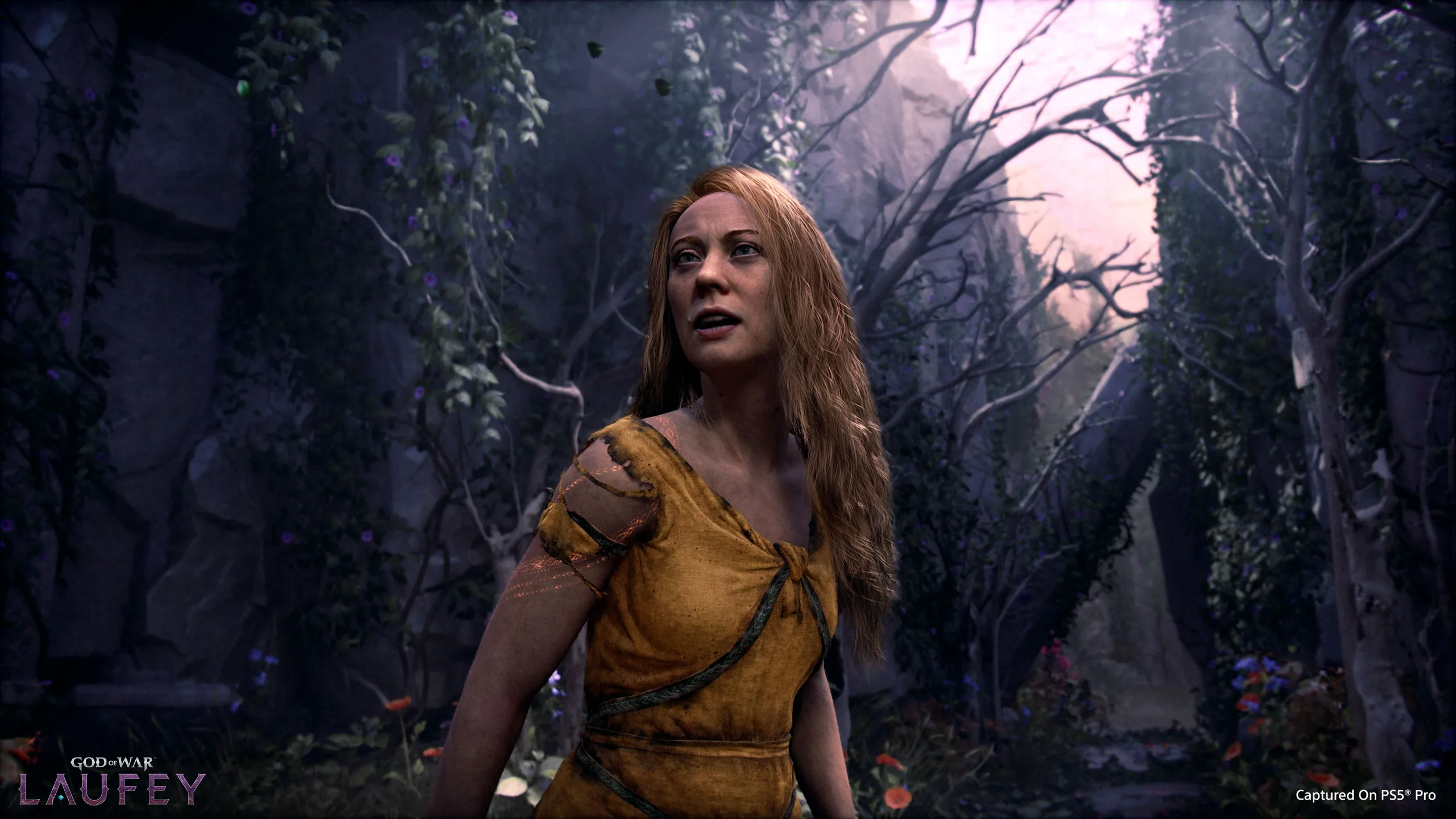
Her soul powers, prophecy, and giant knowledge suggest a deeper design than a simple escape story.
Greek-era context and Sons of Sparta matter as legacy framing, not as a confirmed direct bridge into Laufey’s plot.
More to explore
Pick a topic for the full story, guide, or breakdown.
Explore the Sekhmet and Egypt theory in God of War Laufey, the confirmed evidence behind it, its strongest interpretation, and counterpoints.
Explore whether the Everywhen connects different mythologies in God of War Laufey, using confirmed gods, official lore, and key counterpoints.
Examine what Laufey may have planned for Kratos and Atreus, which parts the Norse games confirm, and what God of War Laufey could reveal.
Weigh the evidence for Kratos or Atreus appearing in God of War Laufey, including story reasons, official silence, and possible alternatives.
Explore whether the Everywhen is a shared divine afterlife connecting multiple mythologies in God of War Laufey, with evidence and limits.
Explore whether the Everywhen answers Odin's questions about divine death, what Ragnarok supports, and why the connection remains unconfirmed.
Mythology answers
Start here if you want the short answer on Everywhen, Sekhmet, Begtse, and what mythology God of War Laufey is actually using so far.
The official reveal starts from Laufey, the Jotnar, and the Norse saga, then opens into the Everywhen, where gods from different mythologies can meet. Sekhmet and Begtse are the clearest officially shown examples so far.
Not as a full official answer yet. Sekhmet is a confirmed Egyptian goddess in the reveal, but PlayStation has not said the whole game shifts into an Egypt-only setting or saga.
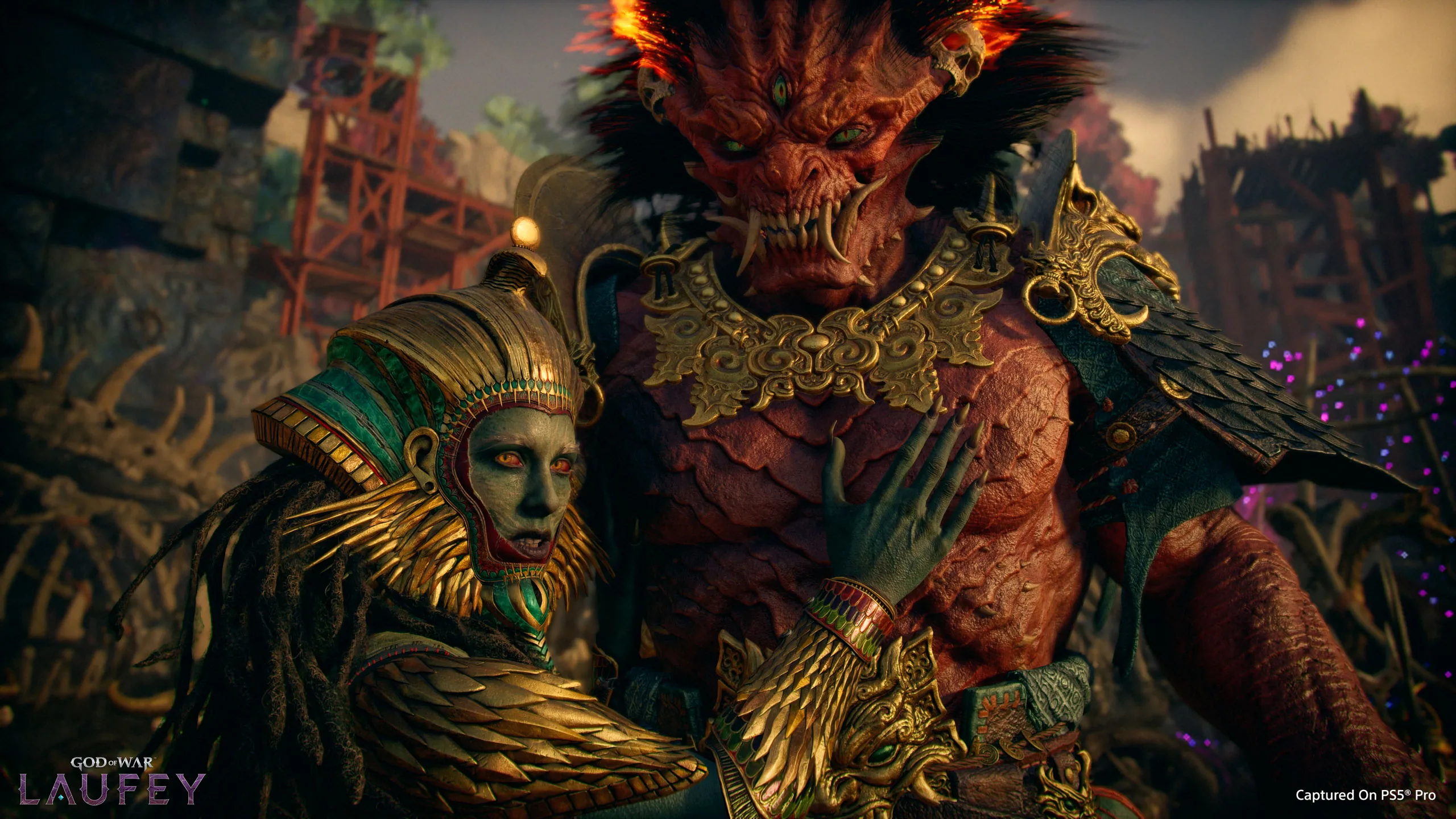
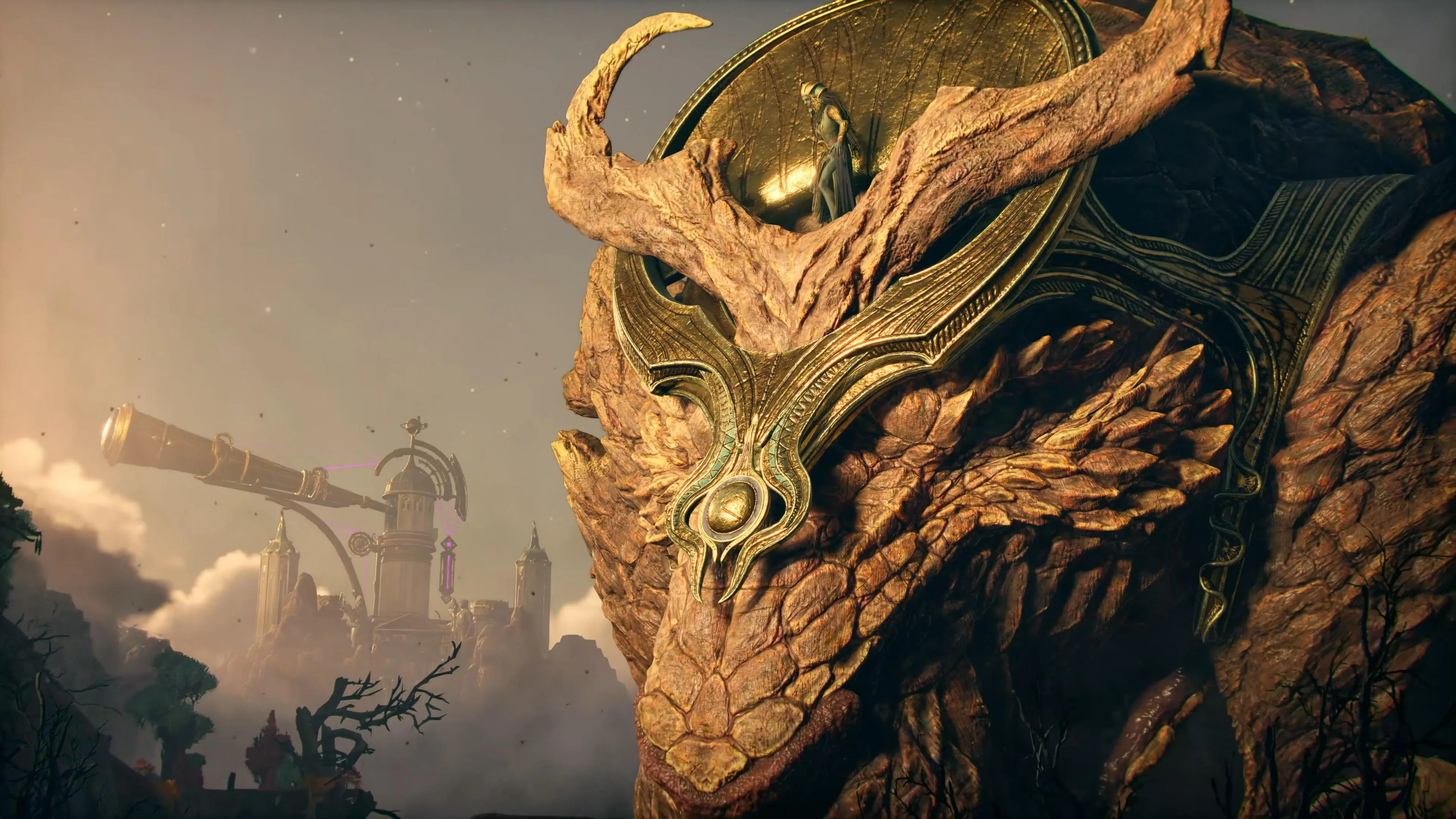
Sekhmet is a confirmed hostile god Laufey encounters in the Everywhen. Her Egyptian mythology background explains why Egypt matters here, even though the wider setting is still unconfirmed.
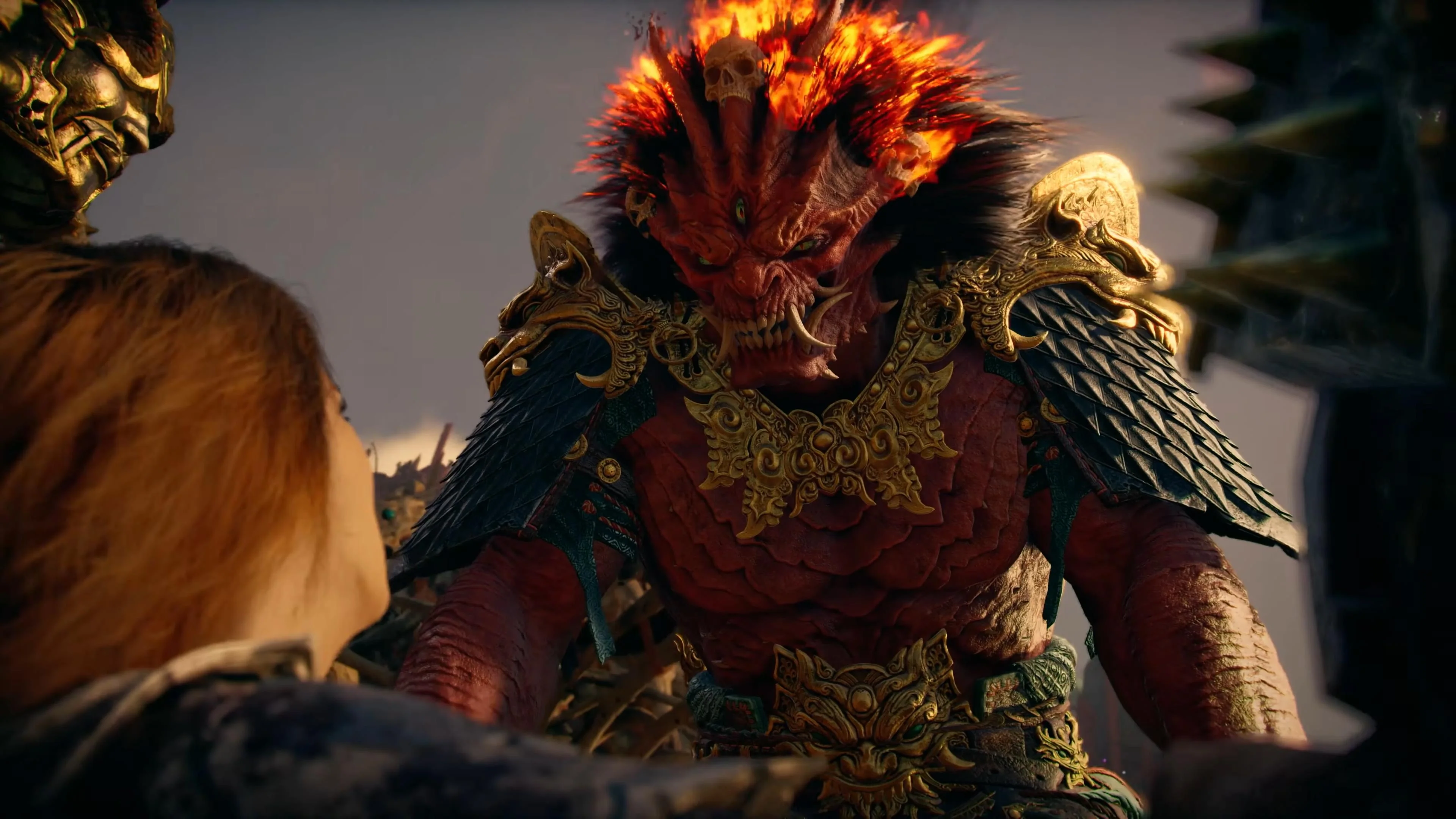
Begtse is another officially shown hostile god in the Everywhen. His presence expands the setting beyond one pantheon and supports the idea that the realm gathers divine figures from multiple traditions.
Because it is the afterlife of the gods and the place where magic returns. That setup allows different gods, creatures, and mythic backgrounds to share one realm without requiring extra assumptions.
Mythology overview
Separate what the reveal shows from what mythology background only suggests.
This explains the realm, not a confirmed future destination.
Egypt remains background context unless official material expands beyond Sekhmet herself.
Treat Kratos as confirmed cast context, not a license to invent scenes, roles, or playability.
The connection is clear, but the exact plan and ending remain unknown.
Keep it as legacy context and release-window conversation, not as a confirmed narrative bridge.
Player guide
Mythology paths
Use this when the question is about how the realm works, not just which god appears there.
The official reveal says gods and creatures from different mythologies meet there.
This does not confirm the full cosmology, the exit rules, or which mythology becomes the next full saga.
Use this when the question is whether Sekhmet points to a wider Egyptian direction.
Sekhmet appears in official Laufey material.
A confirmed Egyptian goddess is not the same as a confirmed Egypt game, saga, or destination after Laufey.
Use this when the question is what Kratos’ confirmed cast listing means for Laufey’s family stakes.
Official copy names Kratos and Atreus as the people Laufey wants to protect, and PlayStation lists Chris Judge as Kratos in its Comic-Con panel cast.
Kratos’ story role, Atreus’ appearance, and playability remain unconfirmed.
Use this when the question is what Laufey prepared before death and how prophecy or soul powers may connect to it.
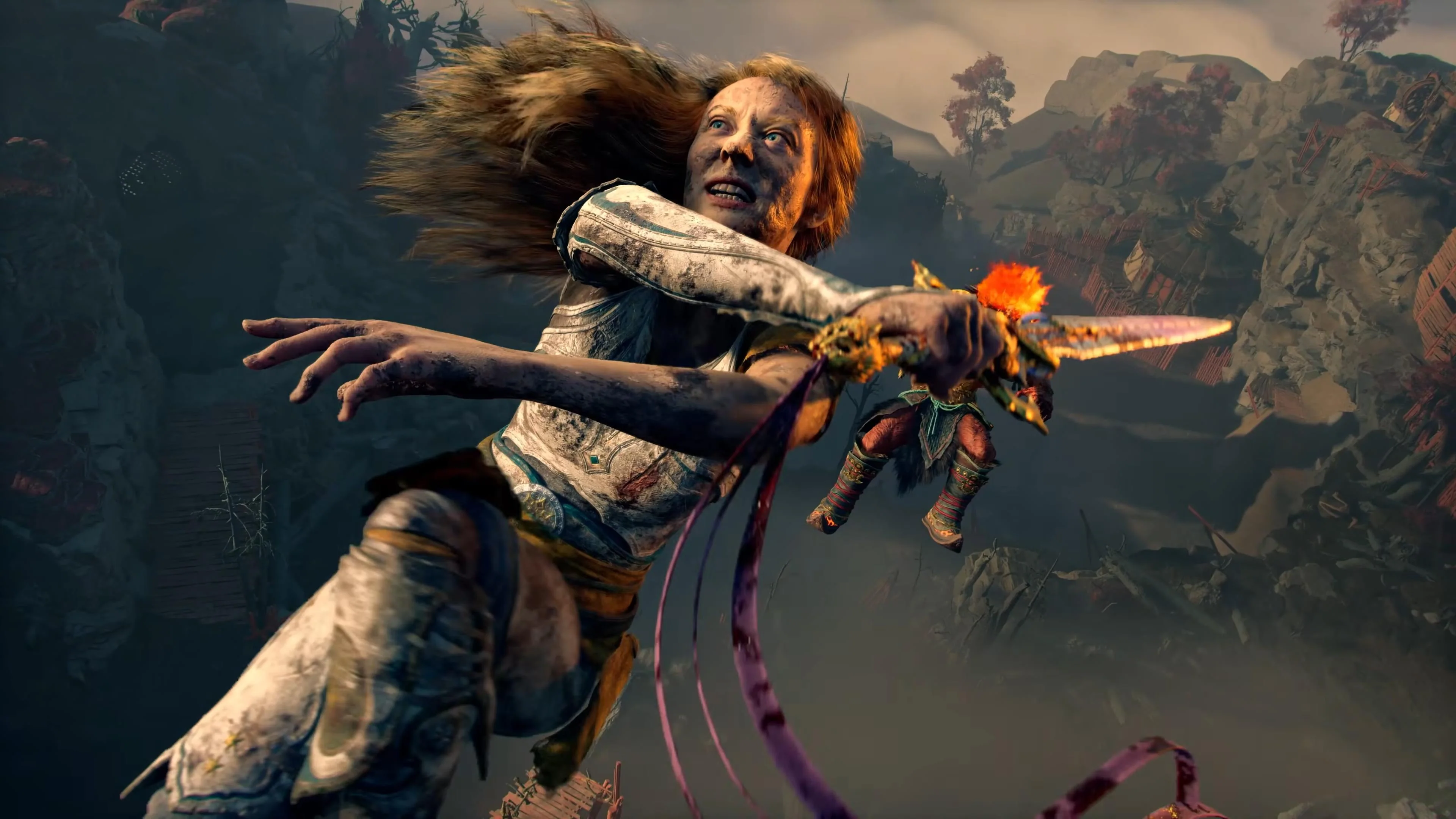
Official copy confirms her plans are threatened and shows soul-linked abilities in the Everywhen.
Exact plan details, ending logic, and prophecy mechanics are still unknown.
Use this when old Greek material feels relevant, but you need to know where that relevance stops.
Sons of Sparta is canon Kratos youth context in the same broader franchise window.
No official source links it directly to Laufey plot events or Everywhen structure.
Mythology detail
Official copy says gods and creatures from different mythologies meet in the Everywhen.
Sekhmet and Begtse are officially present, and the realm is described as the afterlife of the gods where magic returns.
A shared afterlife does not confirm the next full saga or make Laufey a permanent franchise hub.
This explains the realm, not a confirmed future destination.
Sekhmet appears in official Laufey material as a hostile divine figure.
An Egyptian goddess is visibly present in the reveal, which naturally pushes players toward Egyptian mythology background.
One confirmed Egyptian god is enough for discussion, not confirmation of a full Egypt game, Egypt chapter, or trilogy setup.
Egypt remains background context unless official material expands beyond Sekhmet herself.
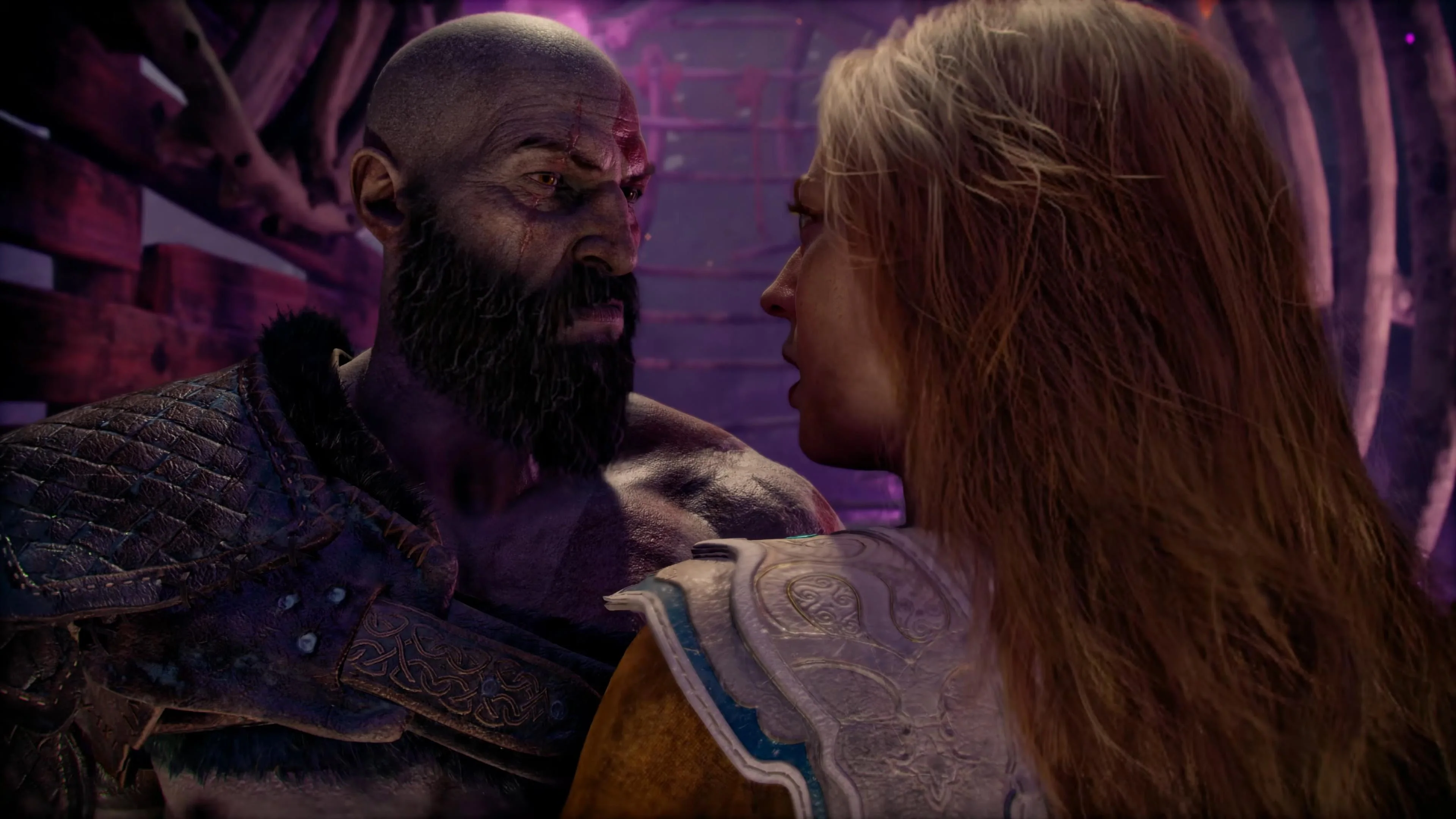
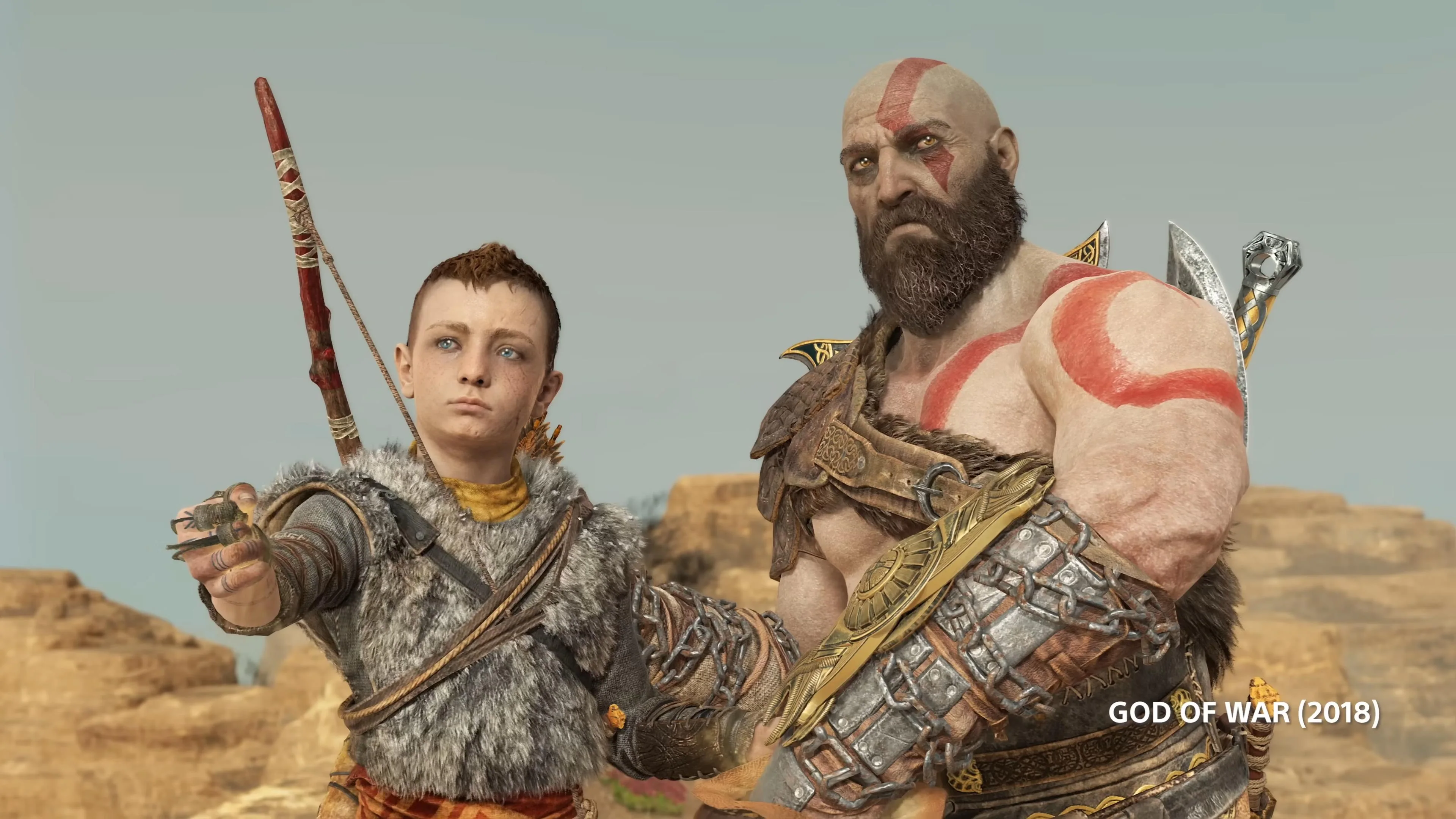
The official premise says Laufey protects Kratos and Atreus, and PlayStation lists Chris Judge as Kratos in the Laufey Comic-Con panel cast.
They are explicitly named in the premise, which means they matter to the stakes even if the reveal keeps the focus on Laufey.
The panel announcement does not reveal Kratos’ story role, whether Atreus appears, or whether either character is playable.
Treat Kratos as confirmed cast context, not a license to invent scenes, roles, or playability.
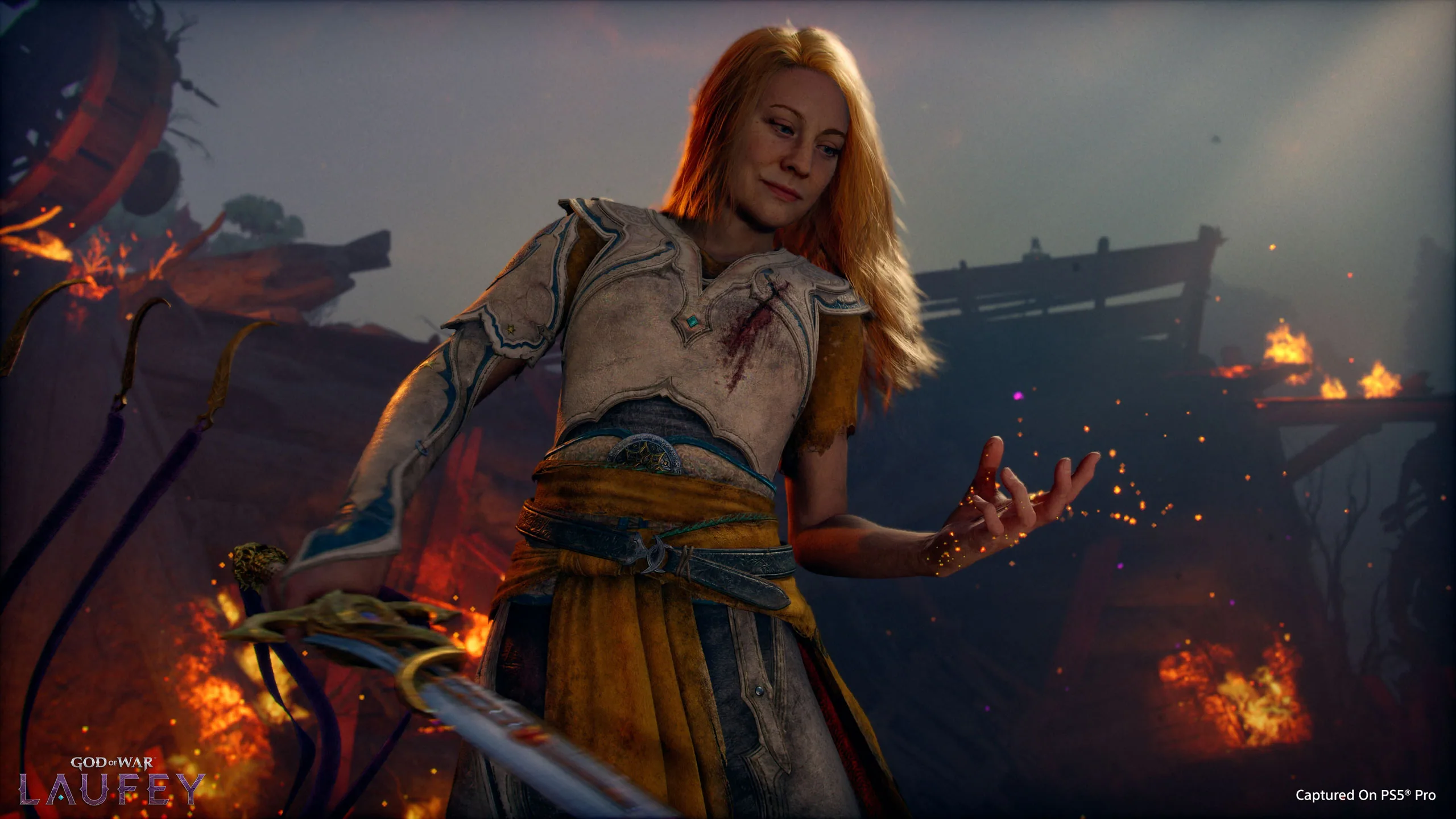
Official material says Laufey's plans are threatened and describes her as the Golden Hand of the Jotnar with soul-linked powers.
The reveal ties her plan, the Everywhen, and soul manipulation together, which suggests more than a simple escape premise.
What Laufey arranged, what exactly is at risk, and how prophecy mechanics work are still unknown.
The connection is clear, but the exact plan and ending remain unknown.
Sons of Sparta is official canon Kratos youth context released in 2026.
It renews Greek-era attention around the same period as Laufey and gives players more Kratos background for comparison.
No official source links Sons of Sparta directly to Laufey plot events, Everywhen mechanics, or Laufey story beats.
Keep it as legacy context and release-window conversation, not as a confirmed narrative bridge.
Read elsewhere
Questions like prequel timing, funeral aftermath, and where Laufey fits in the saga belong on the Story page.
PC timing, release windows, price guesses, and store-field changes belong in Guides or News, not here.
If a page section is only defining names, places, or artifacts, it belongs in Wiki instead of Mythology.
Voice roles, relationship notes, and confirmed cast details belong in Characters unless the topic is specifically a mythology mystery.
Further mythology reading
Primary source for Everywhen, Sekhmet, Begtse, Laufey power wording, and the official mythology setup this page builds on.
Primary source for standalone FAQ, Laufey identity, PS5 status, and the family-stakes framing around Kratos and Atreus.
Useful when wording clearly adds context. Visual interpretation alone never settles a mythology question.
Useful for discussion and framing, but these outlets do not override official wording.
Meet the gods and the realm first, then see how their myths may connect to Faye’s journey.
The Everywhen, Sekhmet, Begtse, Laufey’s plan, and soul-linked powers are all official reveal material.
Egyptian, Norse, and wrathful deity roots help explain why these figures matter, even when the game has not answered every story question yet.
Kratos’ story role, Atreus’ appearance, future saga direction, and the full rules of the Everywhen still belong to unanswered story space.